The Benton Farewell Iris progression

I am fighting to get time to paint! Last week I was unable to anything for about 10 days because of the dreaded flu. After that it was trying to catch up with assignment marking and the Iris picture.

The only thing that you the reader will be interested in, is the Iris and how that is progressing. My last blog showed you some of my preparation sketches and my planned drawing. After that it was a question of tracing all the sketches that I decided to actually use in the picture. I traced them onto my final art paper using the the technique you will find on this page:gaynorsflora.com/my-tutorials/ The video is called ‘How to trace an image to art paper’. The reason I do it this way is to remove any risk of creating any indentation in the art paper. An indentation tends to collect pigment when using watercolour, or leave a white line if using coloured pencil We don’t want either of these results.

I used the old Fabriano extra white HP, 640 gsm. I am in the lucky in that I have enough old stock to last me!

The main colours that I am using in my greens are Maimeri Cyan, which is a Phthalocyanin PB15 pigment. This is one of my favourite colours as a base for greens, although if needing to go very dark I might use Idanthrene Blue. The yellow is Quin Gold with a touch of Transparent Yellow. For warming the colour, greying it down or even creating a grey I use Perylene Violet. Therefore I use mostly these colours to create my greens and browns.

Although I have loads of sketches and colour swatches, I have also taken a plant into the house and luckily the leaves have started growing. This confirms the colours that I have chosen to use.
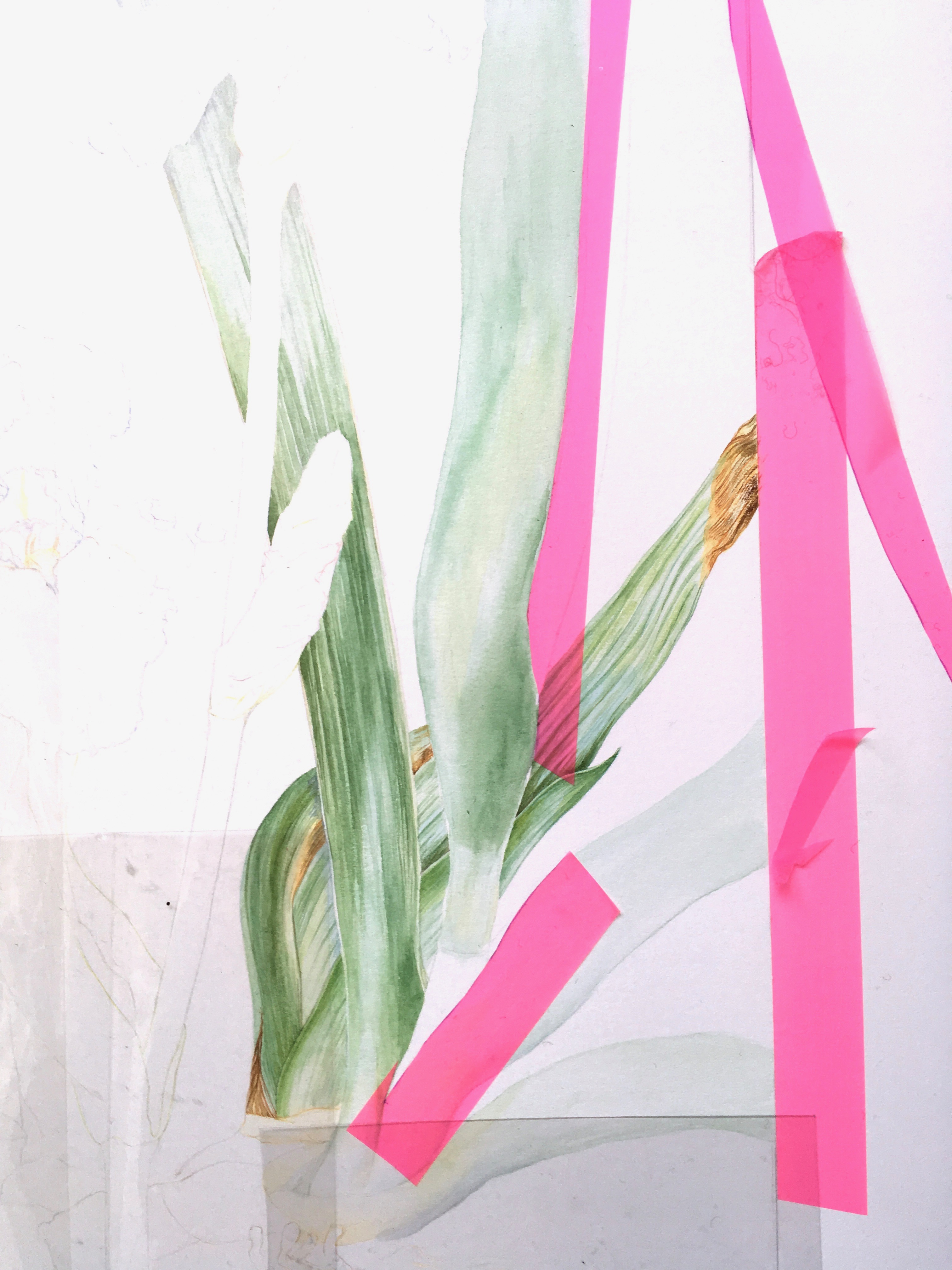
First big mistake!

You will notice that I have the whole length of the stem cut in two on the right side of the picture. In botanical art, when the height of the plant is rather tall as in this instance, one needs to actually show its whole length. This is done by cutting it and showing the two matching end pieces in the design. Here I have cut the upper portion away, leaving the bottom of the stem attached and growing from the leaves. The upper section will include the open flowers and developing buds.

So what was my big mistake? I decided to mask out the stem and do the leaves behind it. But I needed to cut the edge of the tape. I tried to mark the tape with a pencil, but it didn’t work, so used a pen! I know stupid, stupid! As you might expect, when I applied water the ink ran onto the paper, even though I thought I had cut it away.

Also, the cut edge was not close enough, so I ended up with either a gap or an extra wide stem. Artistic license is all very well, but not in botanical art when you need to show the plant as it is.


I won’t go into so much of the detail in the stages I will show you today. But notice that the leaf going off to the left is grey. This is graphite. I don’t want to do heavy painted leaves for the whole design or I am afraid the delicacy of the flower will be lost. I could be wrong, but we will see how it goes.
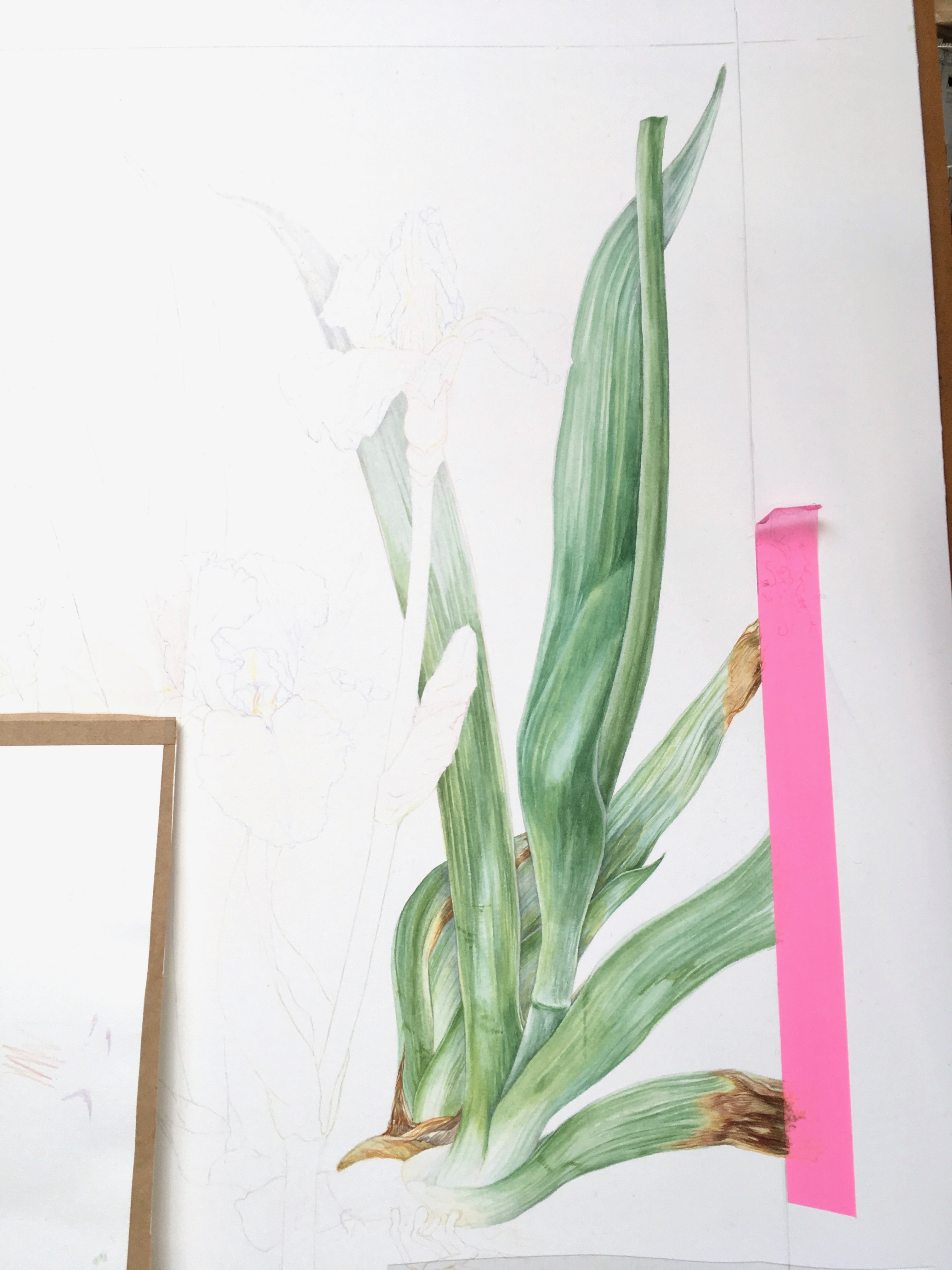
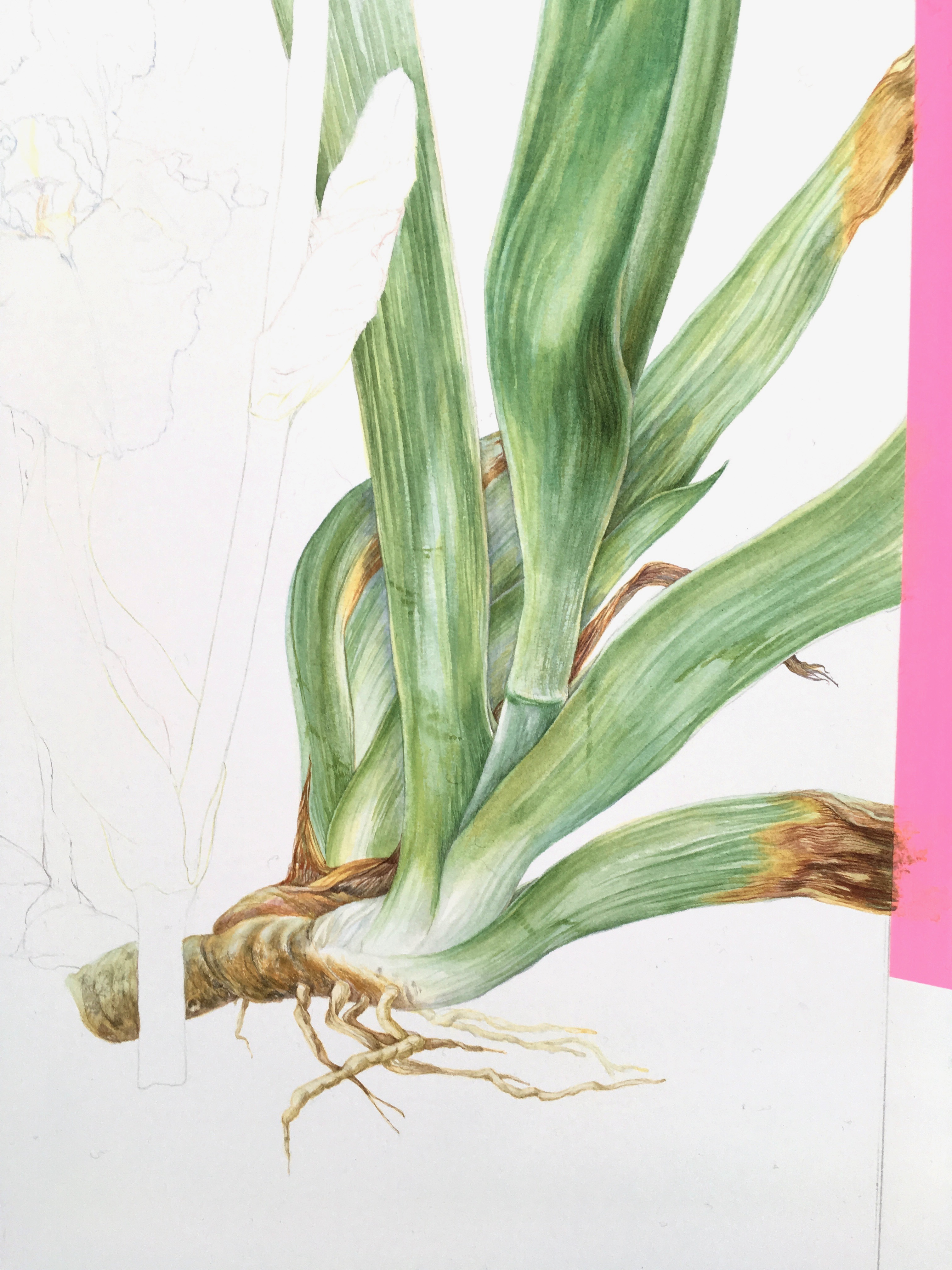


I hope it won’t be too long before I can do some more work on this. However, the Worldwide Botanical Art Exhibition is now at a crucial point. Just before Christmas we in The Association of British Botanical Artists (ABBA) had the first stage of jury selection which was done digitally. Those successful artists have been getting their work framed over Christmas and are now delivering it, mostly to me, for the final stage in the juried selection due to take place up at Kew next week. We will then start the process of uploading the final forty successful paintings into a slideshow which will be included in the Worldwide slideshow with Forty native plants illustrated from each of 23 countries.

It will be a magnificent exhibition in each of the countries participating.
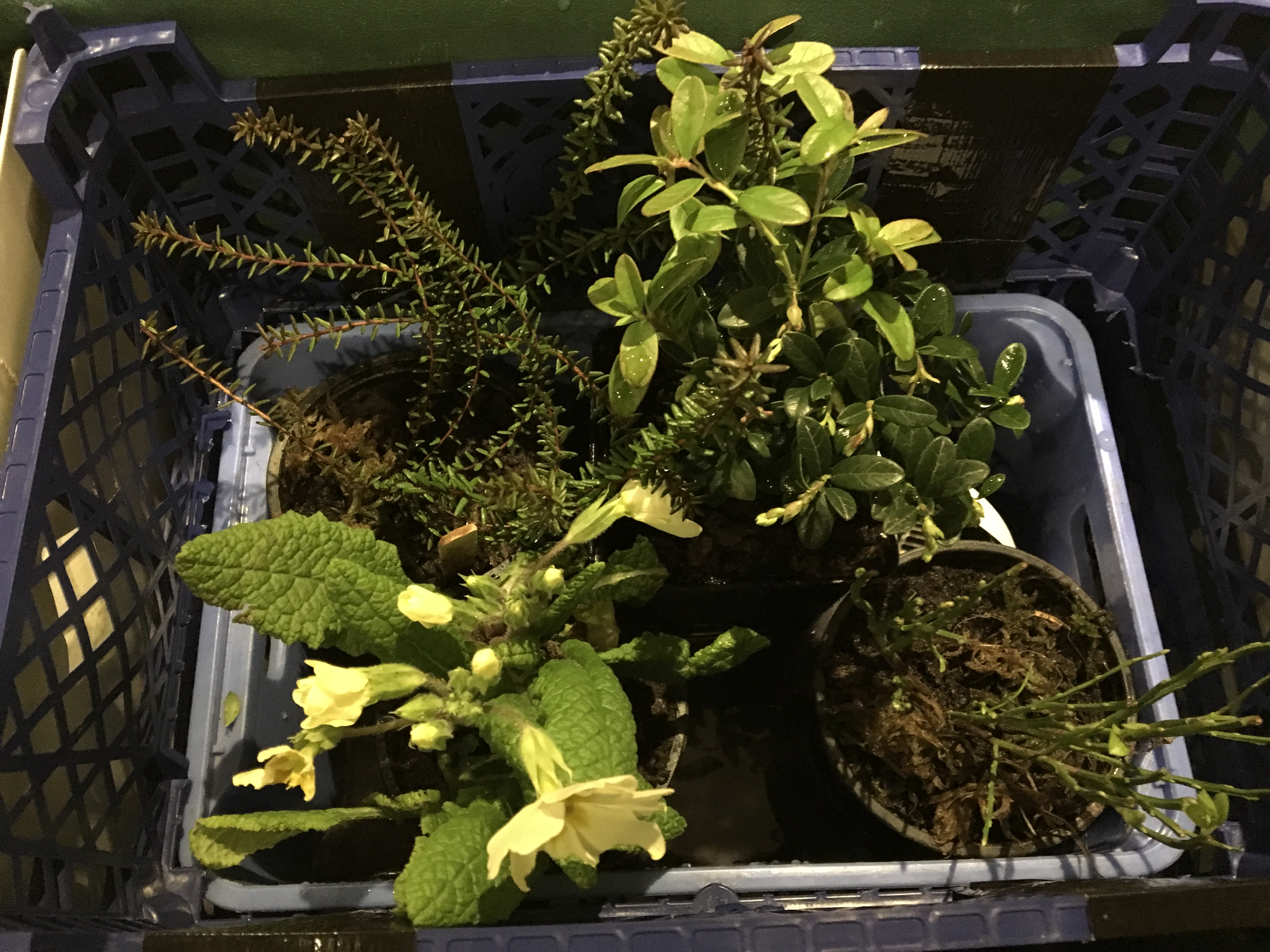
UK native plants packed for RHS botanical art exhibition

Packed and ready to go.

Tomorrow two of us are travelling up to London to set up the ABBA table in the RHS Lindley Hall, Vincent Square near Victoria Station. It will be the RHS botanical art show with the best of International botanical artists showing their work. Neither of us are exhibiting our own work this time, but we will be demonstrating different techniques.

The main reason for having the table at the exhibition is to talk about the plans for the Worldwide Botanical art day in May 2018 and to encourage British botanical artists to take part. A new Association of British Botanical Artists (ABBA) formed to do this has put an initial ‘call for entries’ on it

Www.abba2018.wordpress.com

On  Friday and Saturday this week, I have chosen to demonstrate a sketch book or study page in graphite and watercolour from  one of the native plants I have packed to take with me. Come along and see how I do this.

Apart from the Primrose, do you know what these plants are called?

The one on the right, with hardly any leaves just yet, is a Bilberry. This is a small wild blue berry. It doesn’ look very interesting at the moment, but if you are going to paint the portrait of a plant, including something from various stages in its life cycle, makes the resulting picture more interesting.

The plant above  the Bilberry with the small oval leaves is Cowberry and has small red berries. You might know it as Lignonberry and has smaller and sharper tasting berries than cranberries. This plant has the beginnings of tiny flower buds.

The one above the Primrose is a Crowberry and will eventually have small, almost black berries. Again the plant doesn’t seem so interesting in this stage of its life, but I think might offer some challenges whilst painting its portrait.

Common for for all three species ( not the Primrose) is that they all produce fruit that is edible.

I am lucky enough to be able to do some sketches now, while the plants are only just coming out of their winter state. This will be particularly useful for me and for future work I have planned.

Do come and see us at the RHS, Lindley Hall, Vincent Square, Friday and Saturday.

Now I know what the Seven Sisters are!

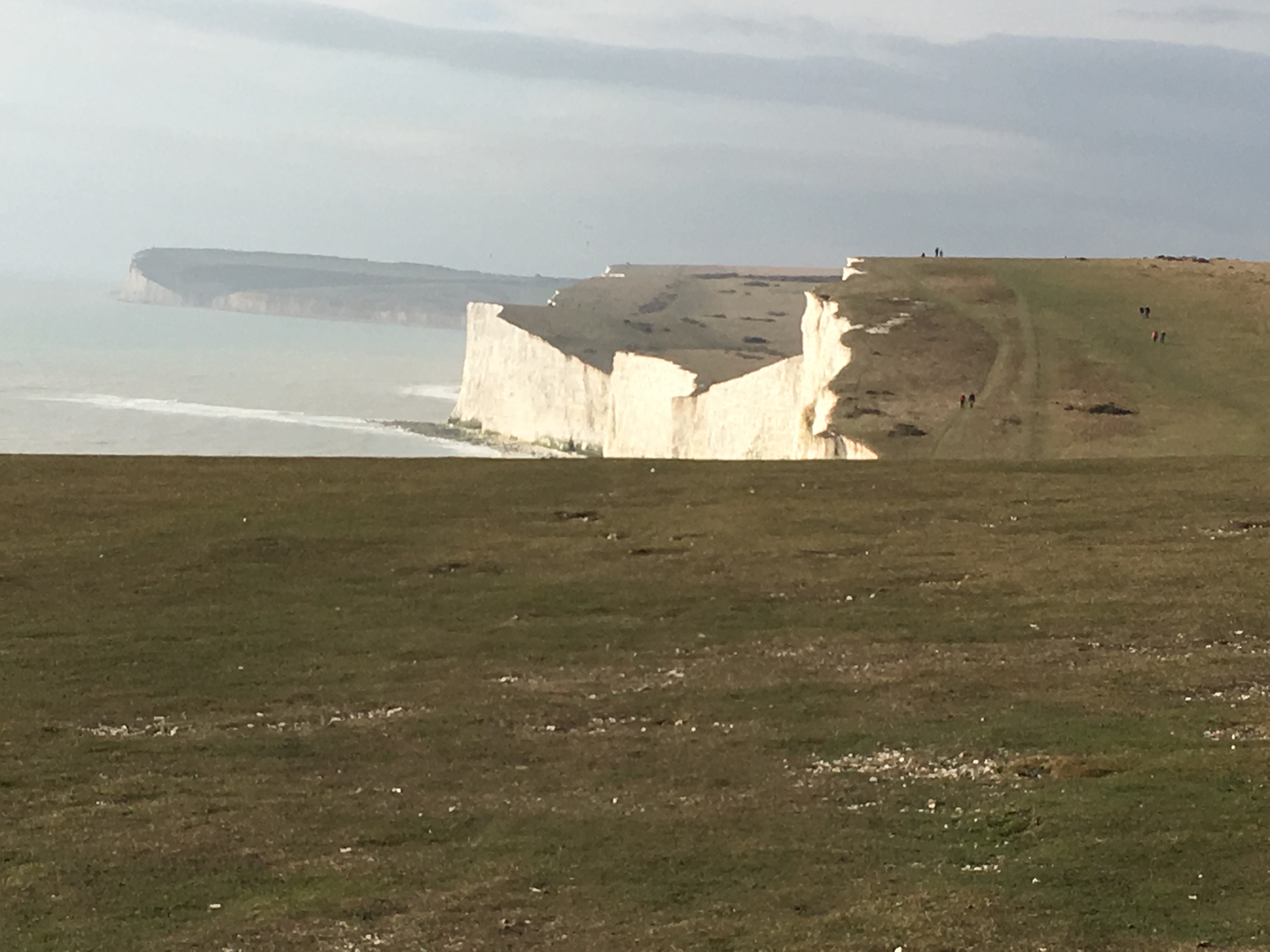
We have just got back from long, tiring hike, with a lot of steep hills. We started near Cuckmere Haven, went up through the Friston Forest and then down to the Birling Gap, going along the cliff path in the Seven Sisters Park back to Cuckmere.

I generally write about something pertaining to botanical art and this is no different. But if one is able to get around – and I recognise that not everyone can do so, getting out into nature to look at the subjects it provides for us is exciting. Unfortunately not everyone does have the ability to get around and hopefully my blog can bring some of what I experience to those people.

I have spoken a lot about native flora of late and of course that is because I am involved in the ABBA team that is putting the UK on the International Botanical Art map in May 2018.

I, like many other botanical artists have always painted or drawn the plants that do something for me, no matter where those plants have originated. The topic of the Worldwide exhibition is ‘Native plants’, therefore I have looked long and hard at the pictures I have painted before and those I want to paint in the future. There are so many plants that are considered native and often they are right outside our back doors. But they can also be quite stunning.

Click on this link to see a picture of Bee Orchids at the bottom of the page, painted by Claire Ward. I had to ask her if they really were native plants – and yes they are. http://www.abba2018.wordpress.com

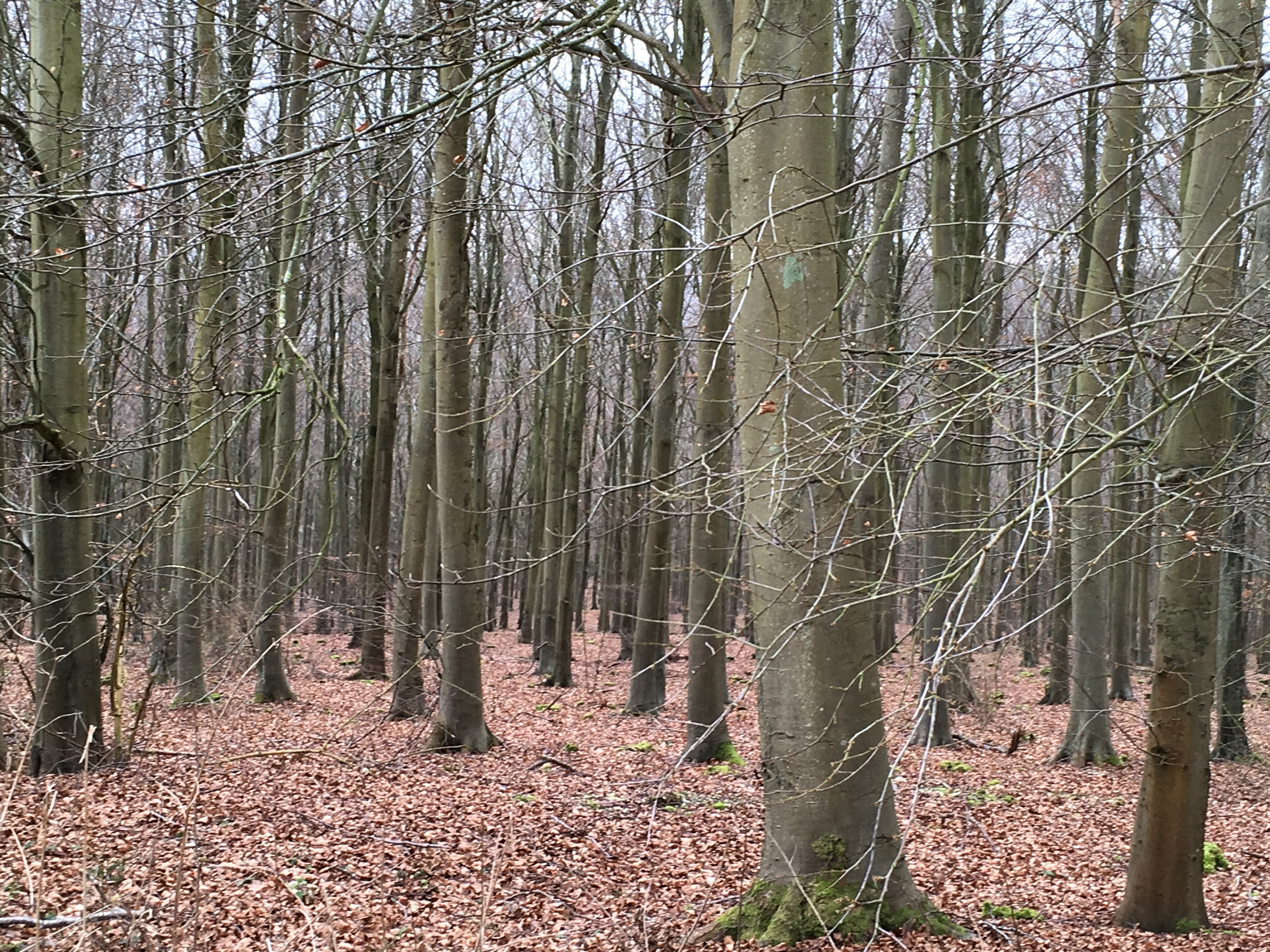
Back to the Seven Sisters and Friston woods where we saw this lovely forest of Beech trees.

img_0251

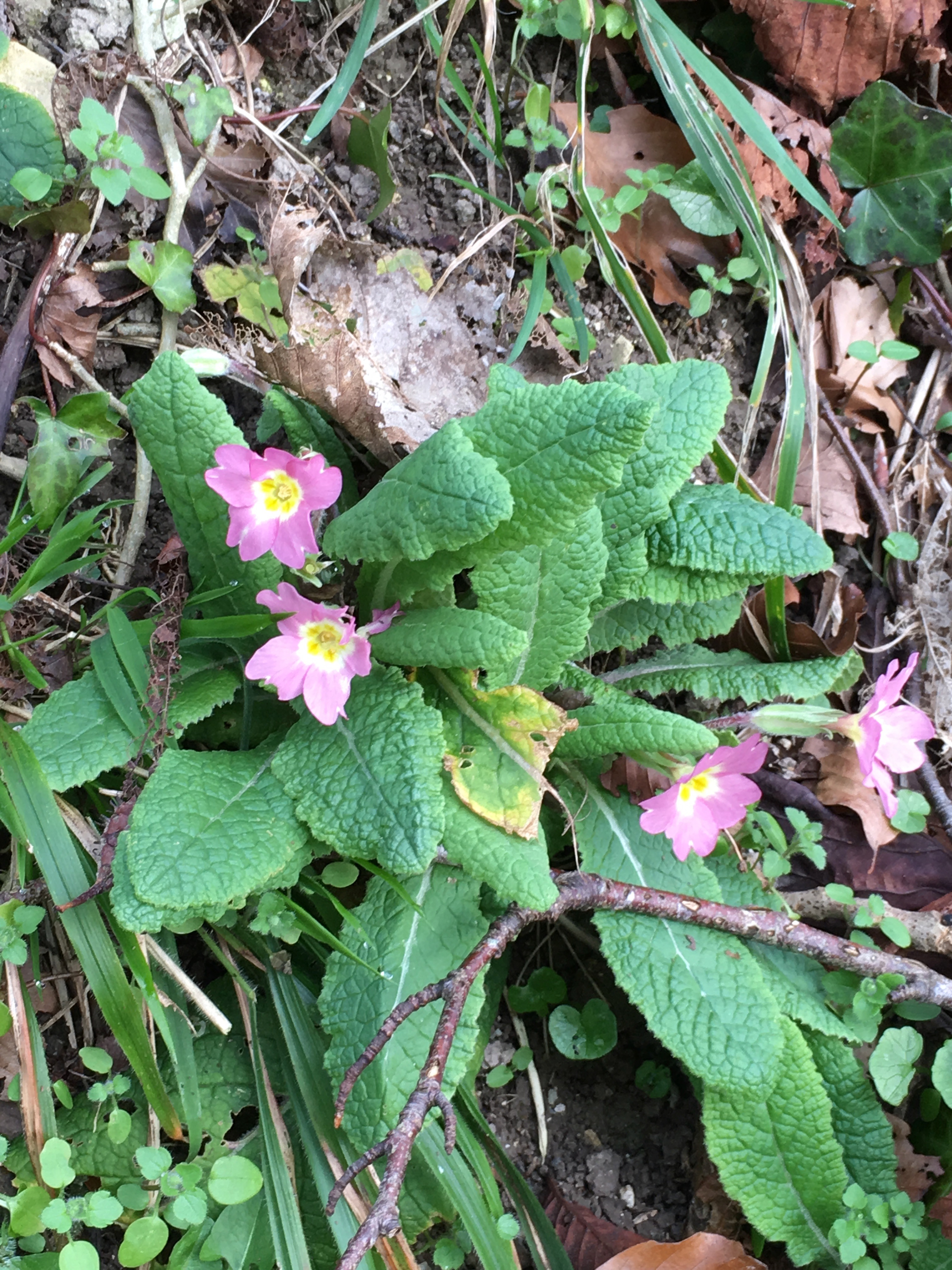
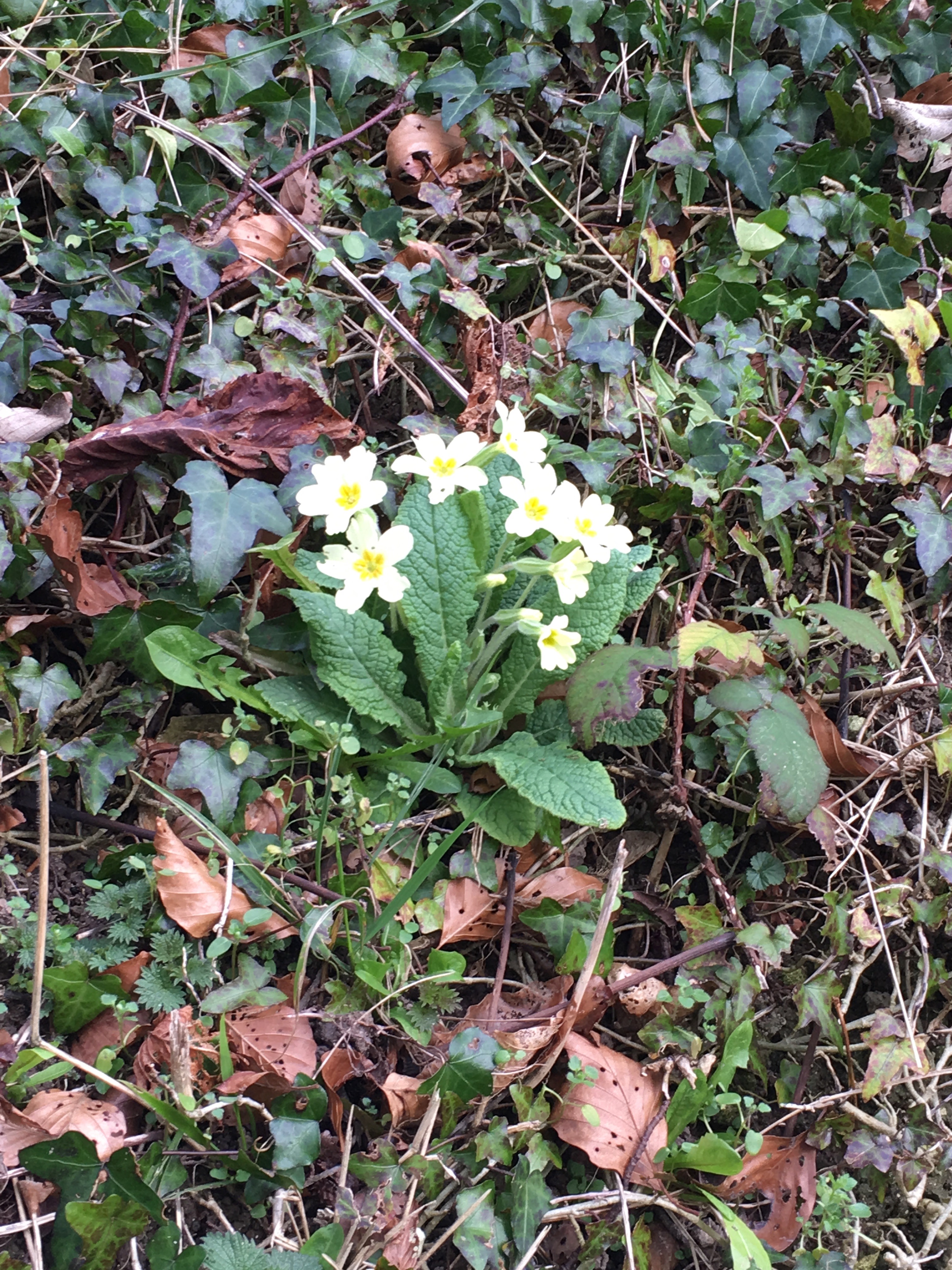
Apart from swathes of Snowdrops at the beginning of the walk, we also found clumps of Primroses –
img_0254 img_0253


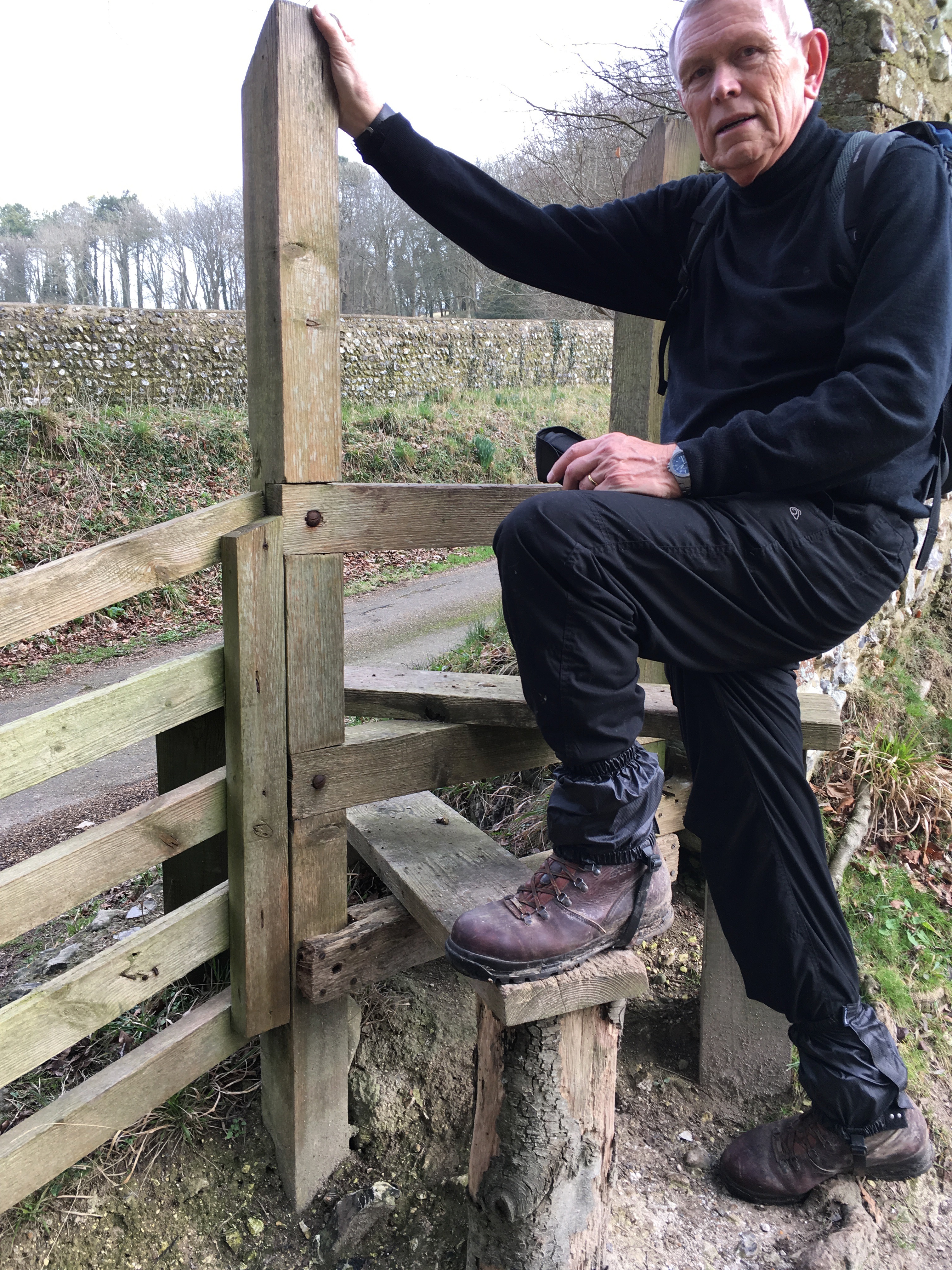
and some stiles! Not good for us old people. Bear in mind Robin is just older than me (although he hides it well), but it is me that struggles so much with these contraptions. I can walk for miles over rough terrain, up and down. But climbing a stile gets me. I think those stiles will get me before walking a long distance does. I am so glad when I see a gate that can be opened, and would happily hang over an edge to get round a post rather than over the stile that might be inbetween. Not to mention some of the stiles that are so rotten, that they are dangerous. None were today.

img_1189-1

img_0256


We had tea and cake, outside at the Birling Gap. I only mention that to show the difference in the weather over one week. Last week it was bitter cold, but today was quite pleasant if one kept walking.

The Seven Sisters is a series of chalk cliffs that rival Beachy Head (the White cliffs of Dover). Part of the South Downs Way runs along the cliff top, which goes up and down seven times. In fact, I thought I counted eight, but by the time I got to Cuckmere Haven, I was past caring. Along this stretch there was a lot of flowering gorse. Pictures do show a little of the beauty up there.
img_0262

img_0264

A very good three-day botanical art workshop.

What a week it has been!

Following loads of preparation, ABBA (the new Association of British Botanical Artists) launched its new website on Wednesday and I had one of my workshops on Thursday, Friday and Saturday.

The steering group for the new organisation put in a lot of work up until the launch of information about the Worldwide Botanical Art day in May 2018. For more information look at the website: Www.abba2018.wordpress.com. We have had a lot of very positive feedback and quite a few botanical artists have already started thinking about a species of plant they want to paint.

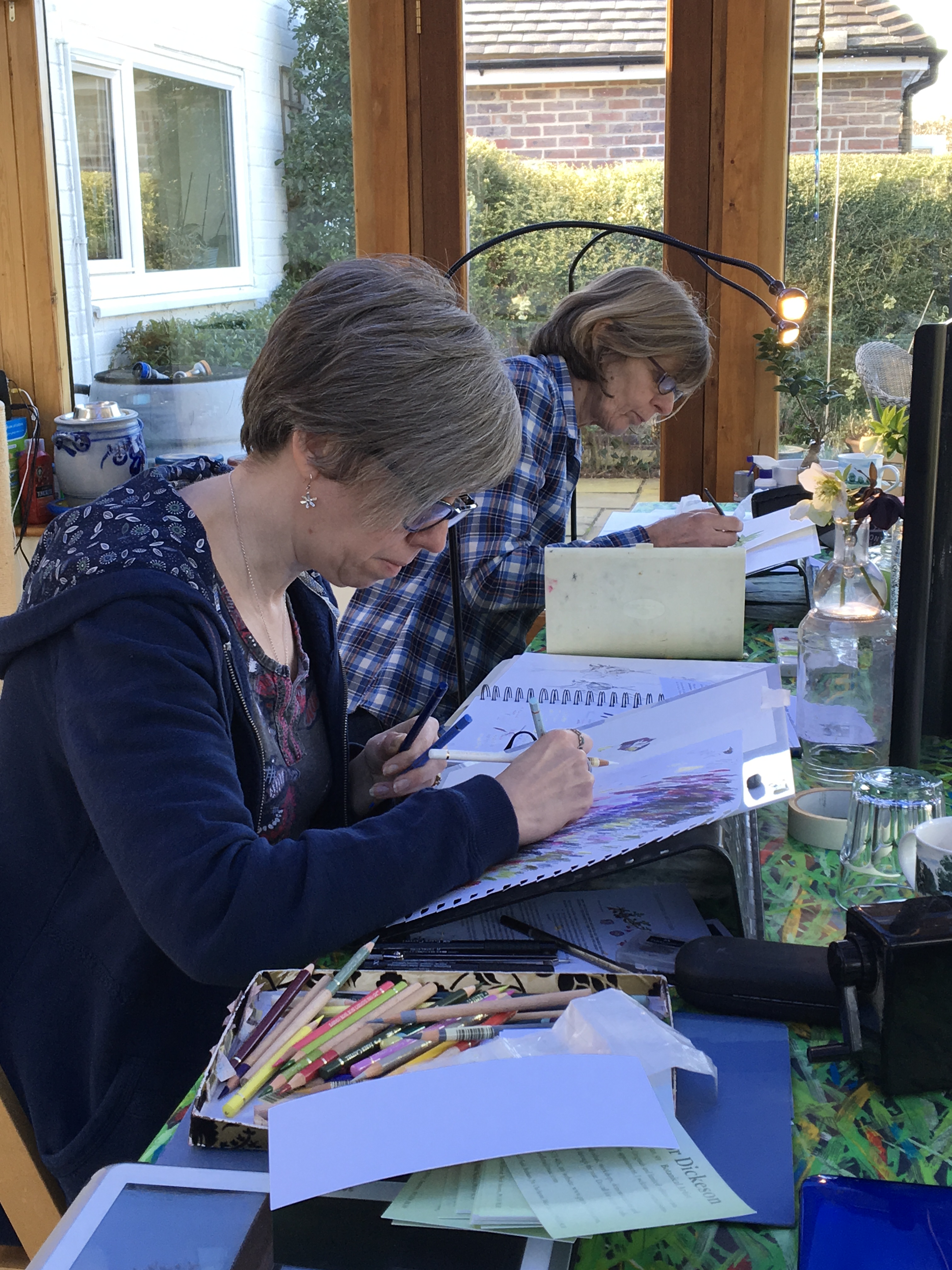
The botanical art workshop concentrated on painting pale flowers on white paper. My students were extremely brave and worked on the sort of thing a lot of people fear doing – painting white flowers on white paper. They actually chose to do this, although I suggested they could work with any pale flower.

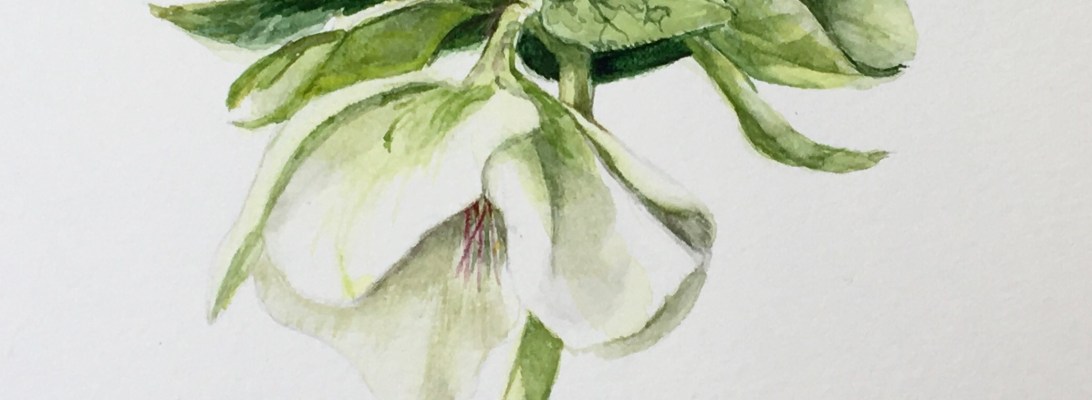
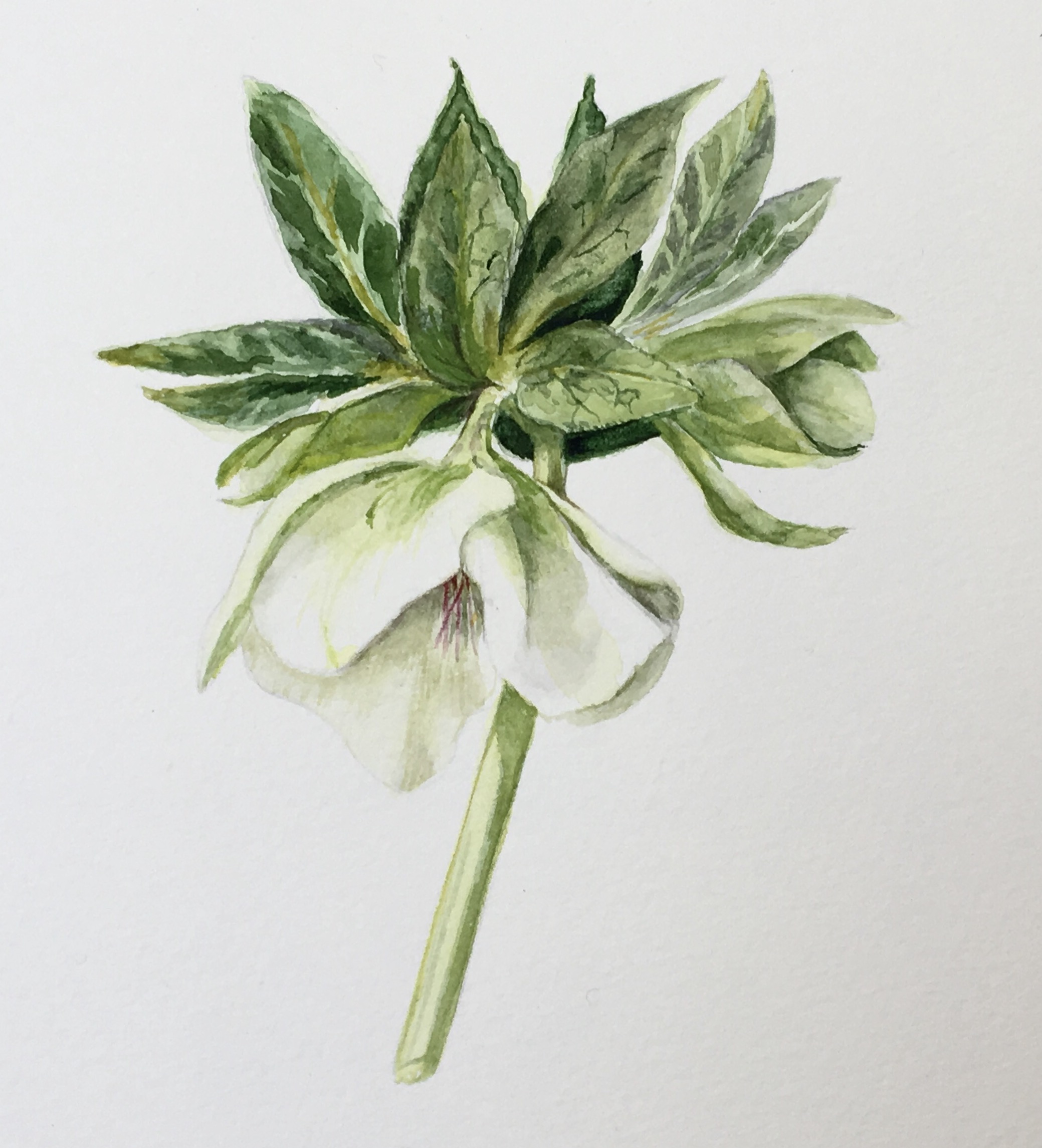
Here are a couple of the results. One in watercolour and one in coloured pencil.img_0214

Hellebore in watercolour
Hellebore in coloured pencil


The trick is to try and paint your pale flower with a background of darker colour – leaves or a dark flower.

I was extremely pleased with the results, as were they.

Tomorrow we are going for our long walk to build up for long days at the end of the week when we will be at the RHS exhibition in London.

Sarah Morrish and I will be there for both Friday and Saturday, demonstrating and giving out information about the Worldwide botanical art day. Lucy Smith will be joining us for one of the days and the intention is for us to use different methods of drawing or painting native plants.

Hope to see you then

Liriope & Open Studio

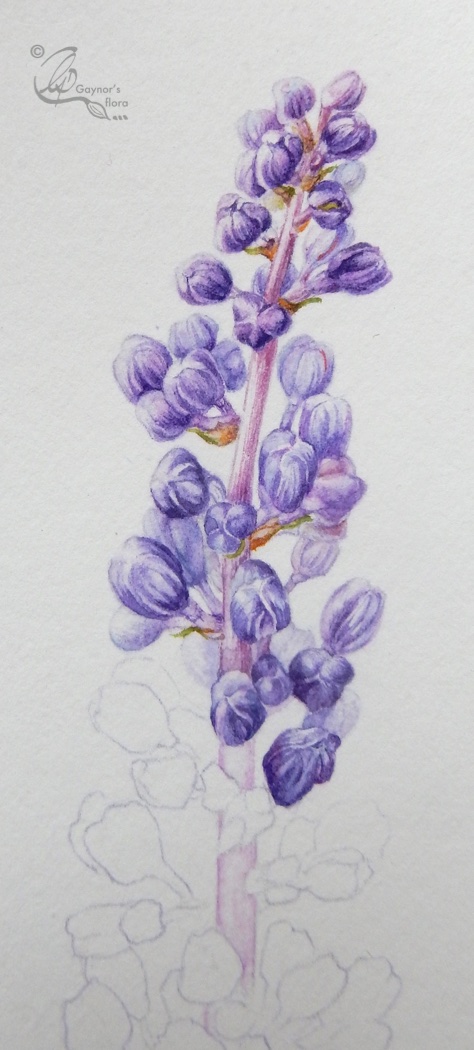
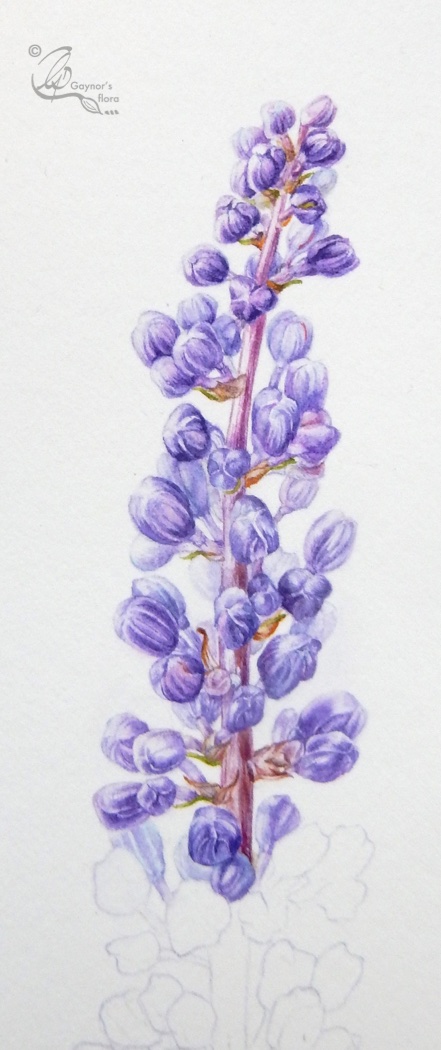
What a busy life, but who would have it any other way! This is both a progress report on the Liriope picture. Two days worth again, although I didn’t get anything done yesterday as we were preparing to welcome all those wise people who have decided to come and visit our home this weekend.

We are now ready and waiting for your visit during the Open Studio event – or at any time. Welcome!

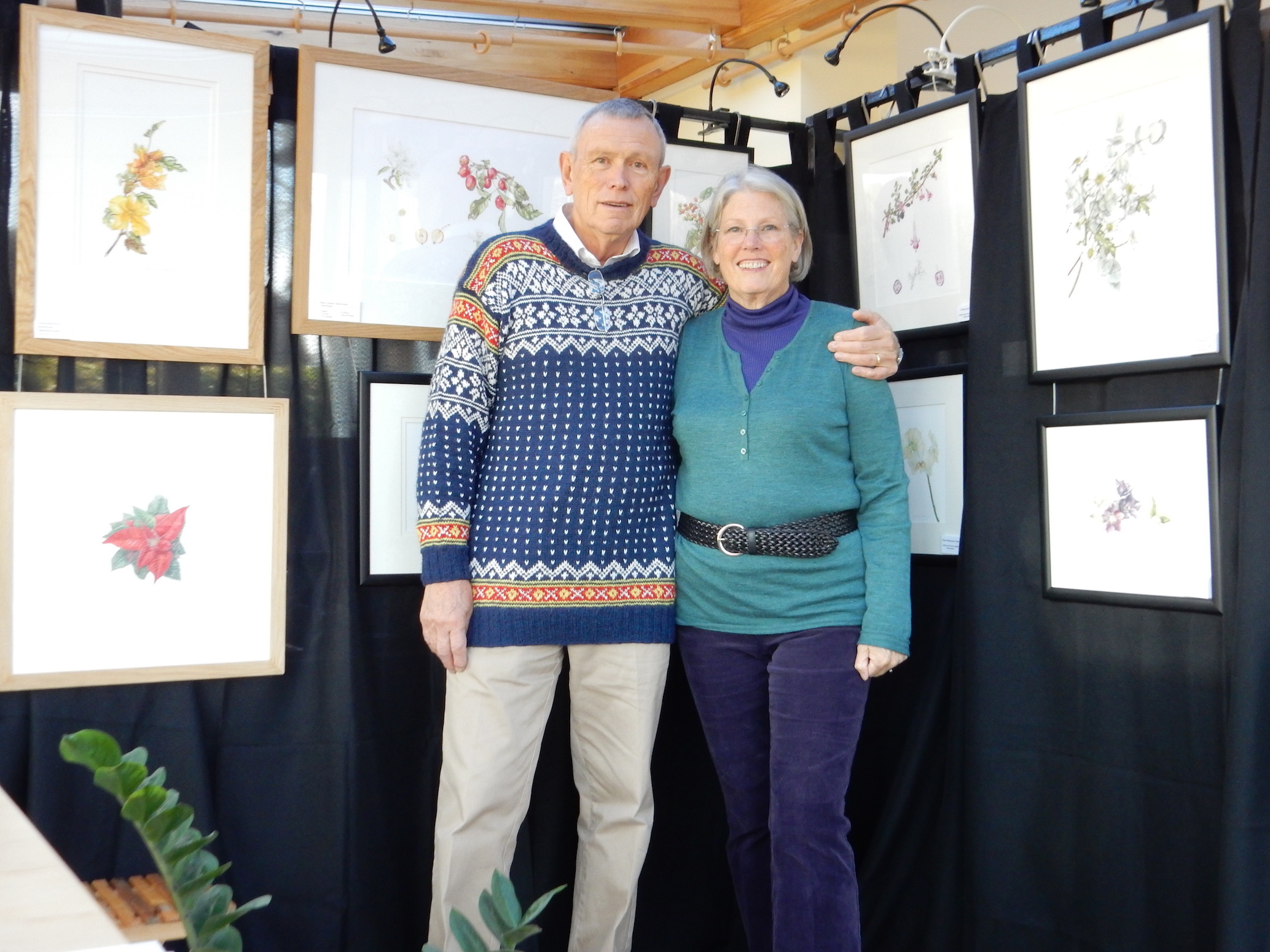
Robin and I welcome you!

But what you are really wanting to see is the Liriope muscari. Come and see me working on it this weekend.

Day 3
Day 3
Day 4
Day 4

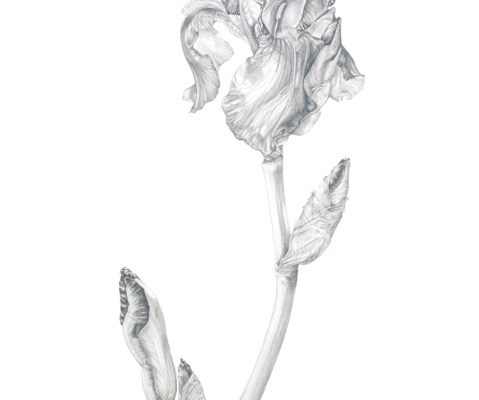
The Bearded Iris: 52 Shades of Grey.

A bearded Iris in Graphite on Bristol board

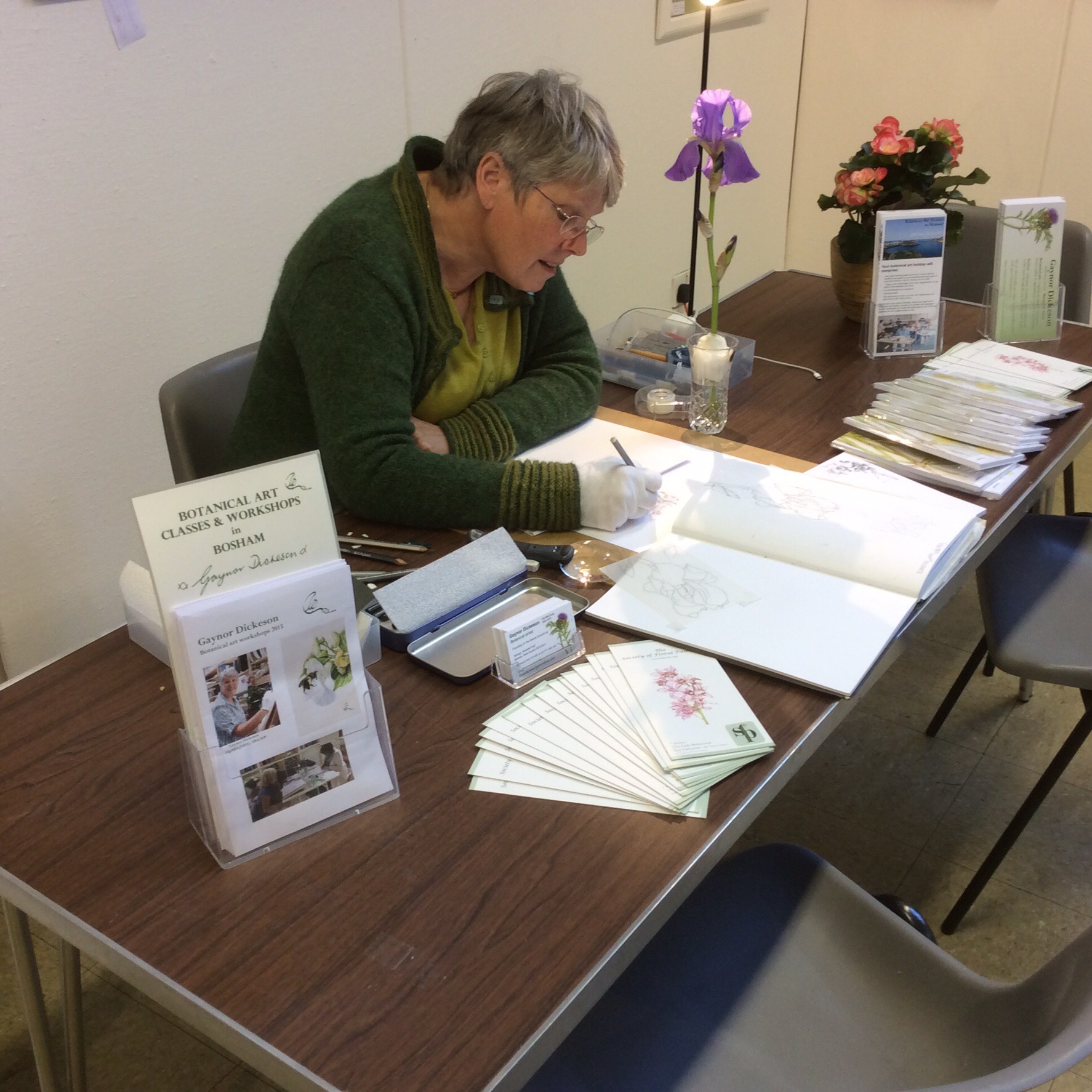
Today I have been licking my wounds and demonstrating coloured pencil in botanical art at the Society of Floral Painters Exhibition, the Oxmarket, Chichester. I had a lot of interested people looking at how ‘crayons’ can be used successfully. Hopefully we might get a few converts.

I have been working on a piece with Indian Corn as the subject. The painting has been going on and off for a long time, but hopefully with the little I did today and the work I will be doing on it at the Stansted Garden Show, I might get some more of it done. In time you might see it, as long as I don’t ruin that too. Understandably I am getting a little unsure about transporting work in progress after yesterday’s events!

After I came home today, I have been getting some more things ready for the show at the weekend. But I have also colour-matched and printed yesterday’s damaged original. Here it is.

The Bearded Iris: 52 shades of grey.

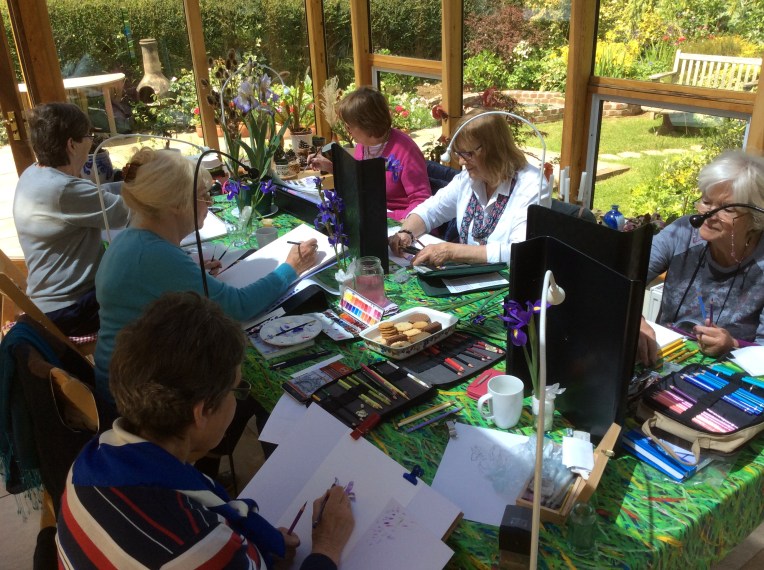
Stunning Irises workshop in Bosham

I haven’t been very good at keeping up with my blogging as there has been so much going on this month. We came back from our weekend away, back into the thick of things and preparation for the three-day workshop that has just happened.

A few weeks ago I held a workshop for Fieldbreaks at Goodnestone Park in Kent. That was a great success (according to the students) and it was time to do the same thing here in Bosham. Irises is really the thing at the moment. Unfortunately they are so short lived. Stately and elegant in their glorious drapery; some with beards, some without; some very slim and sylph-like, others plump and very ‘Reuben-ish’. If you remember, he liked to paint women with something to them – buxom and a bit more.

We had something of everything here. The simplest in appearance were the ones you get in the supermarkets – we had a lot of them! Others brought beautiful bearded Irises and some, very beautiful slim yellow irises or blue irises with highly patterned falls (the name of one of the petals). Common for all was the way God has assembled them for us.

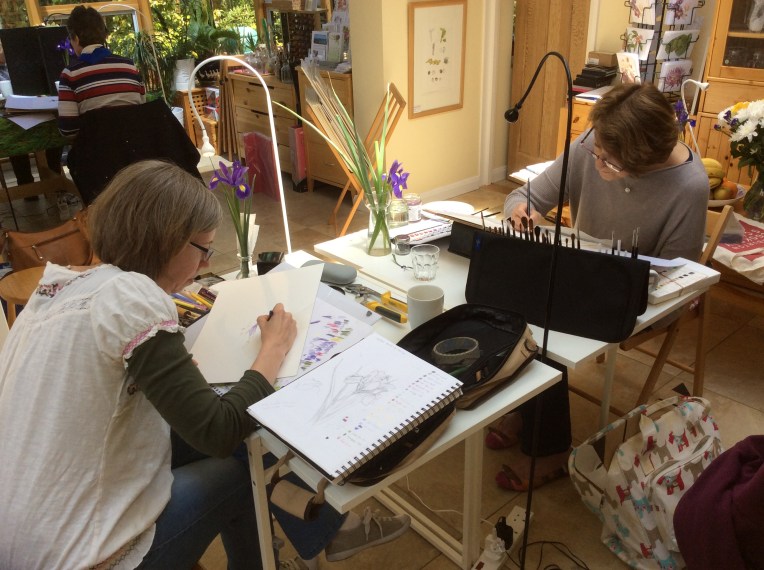
So that we would have a better idea of how an Iris really looks and how it is assembled, we actually took a few of them to pieces and there was a queue for the three microscopes. Initially, no-one on the workshop was interested in botanical illustration. After they had looked through the microscopes I actually saw some of them drawing what they had seen! It is exciting.

We were a little late in starting to paint the irises as a fair amount of time went into examining them and drawing them ready to paint. In fact unusually, no-one started painting until the next day. But it seems that the knowledge of what they were doing (i.e. careful observation of the plant), actually seemed to help them both in the drawing of their subjects and painting them.

The sun actually shone on the second day – but it did cast some strong shadows for some of these photos.

IMG_0916 IMG_0915


Work in Watercolour and Coloured pencil on the second day.

This slideshow requires JavaScript.

And the paintings at the end of the three days. All took Irises home with them to complete their work.

This slideshow requires JavaScript.

So what now? Tomorrow, all day,  I will be demonstrating Coloured pencil in botanical art at the Society of Floral Painters Exhibition at the Oxmarket in Chichester.  The exhibition is open until Sunday midday, when it will be taken down. Do try and take the opportunity to go there to have a look.

I will be having my penultimate botanical weekly art class for this school year, on Wednesday, and Thursday we will be setting up for the Stansted Garden Show due to happen from Friday until Sunday. There will be a lot to see there and I will be continuing my demonstration in coloured pencil. I understand that the weather is to improve for the occasion. I hope to see you.

Botanical art and 50th Nurses reunion

I knew that May was going to be a jam packed month, but…….  I’m still trying to breath sensibly!

It started with Open Studios for two weekends, sandwiching my weekly botanical art shop and a workshop at Goodnestone Park in Kent. Once that was all cleared up, it was preparation for the nurses reunion. 

I never got as far as to finish an individual picture for all the girls meeting again (with some husbands – 26 of us), but I did manage eight, so gave a copy of each of them to the 17 girls( yes we are). The flowers included, Hellebore, Snowflake, Gorse, Primrose, Canary Bird Rose, Bluebell, Periwinkle and Aqualegia. 
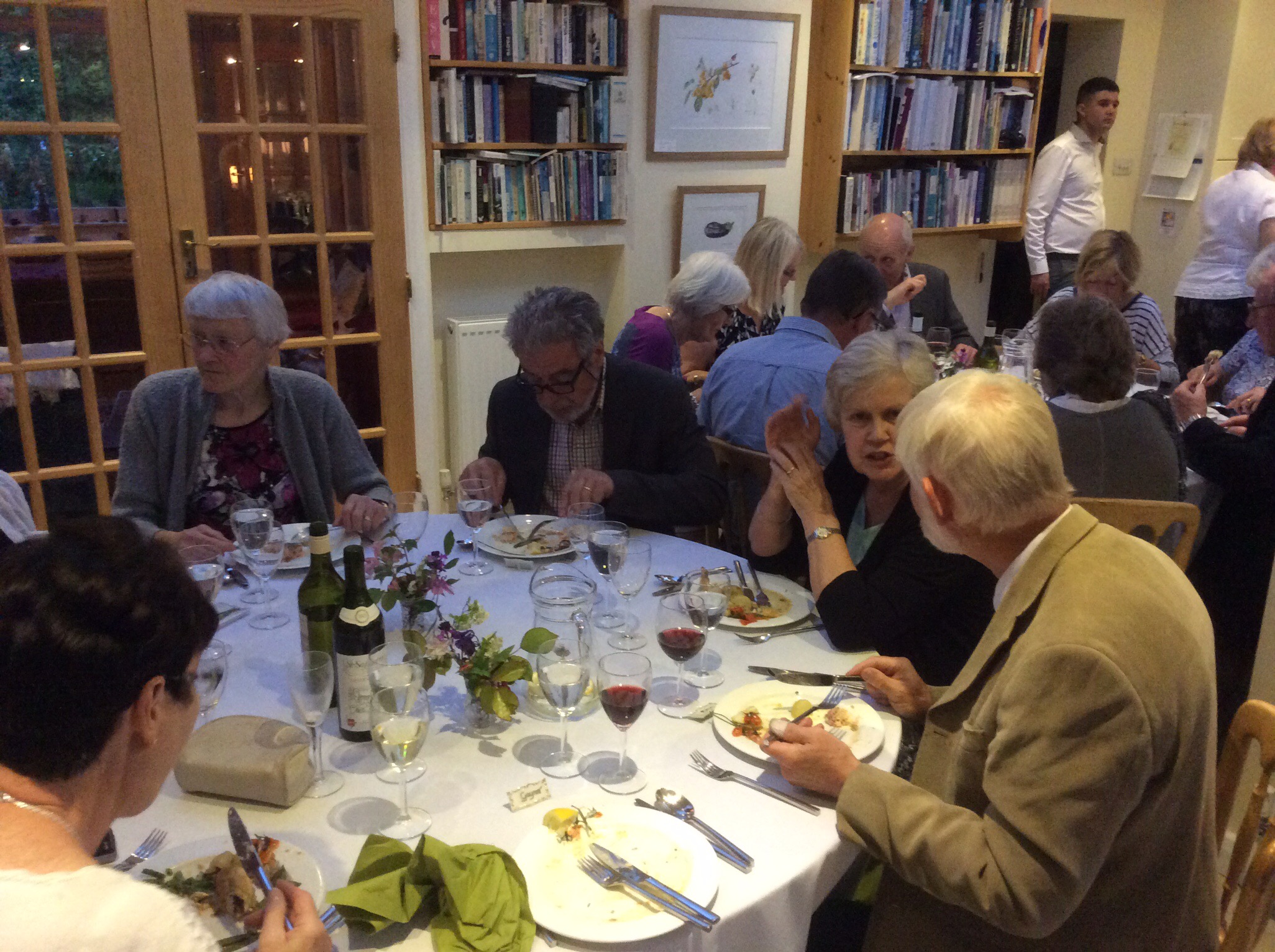
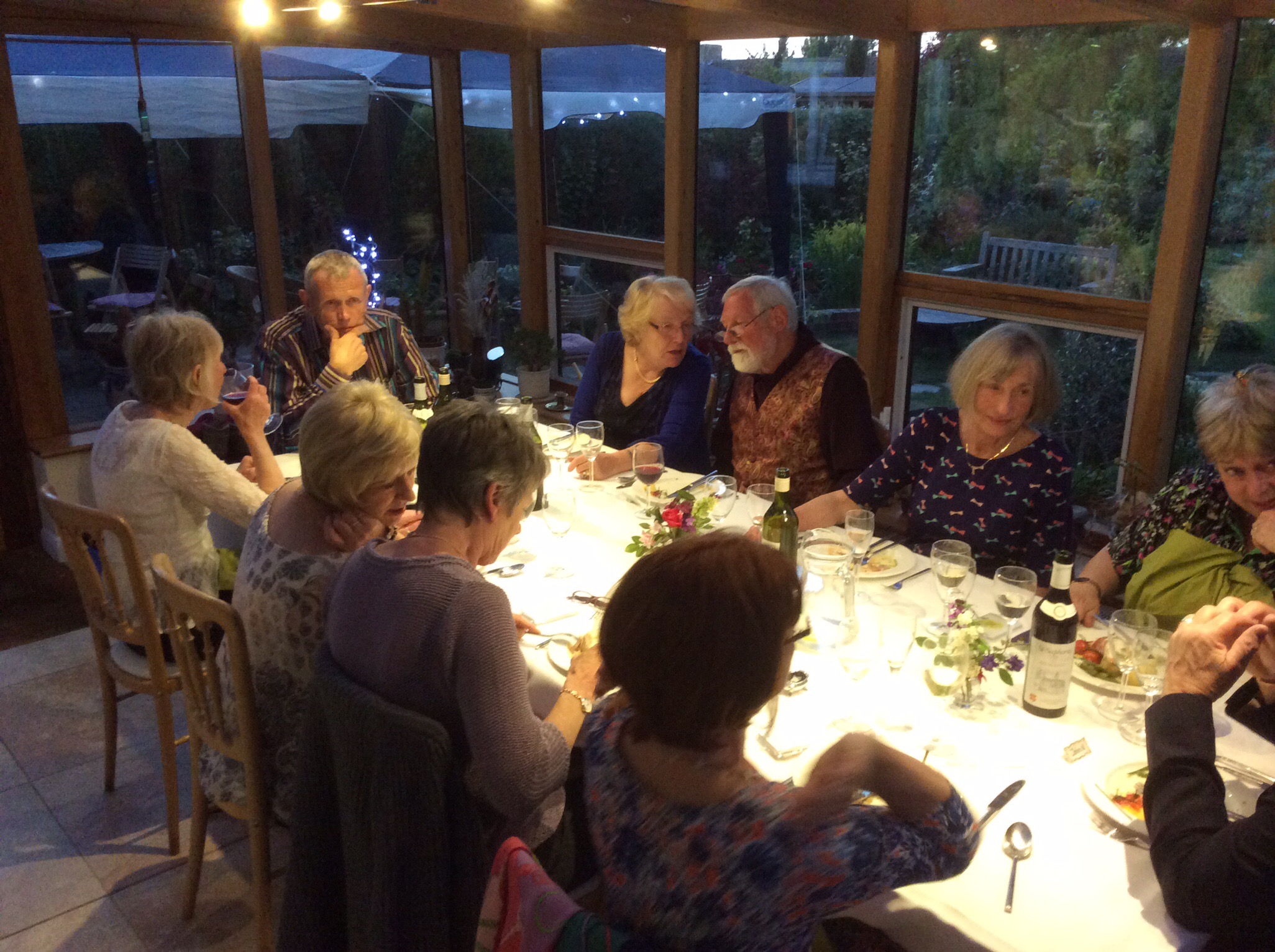
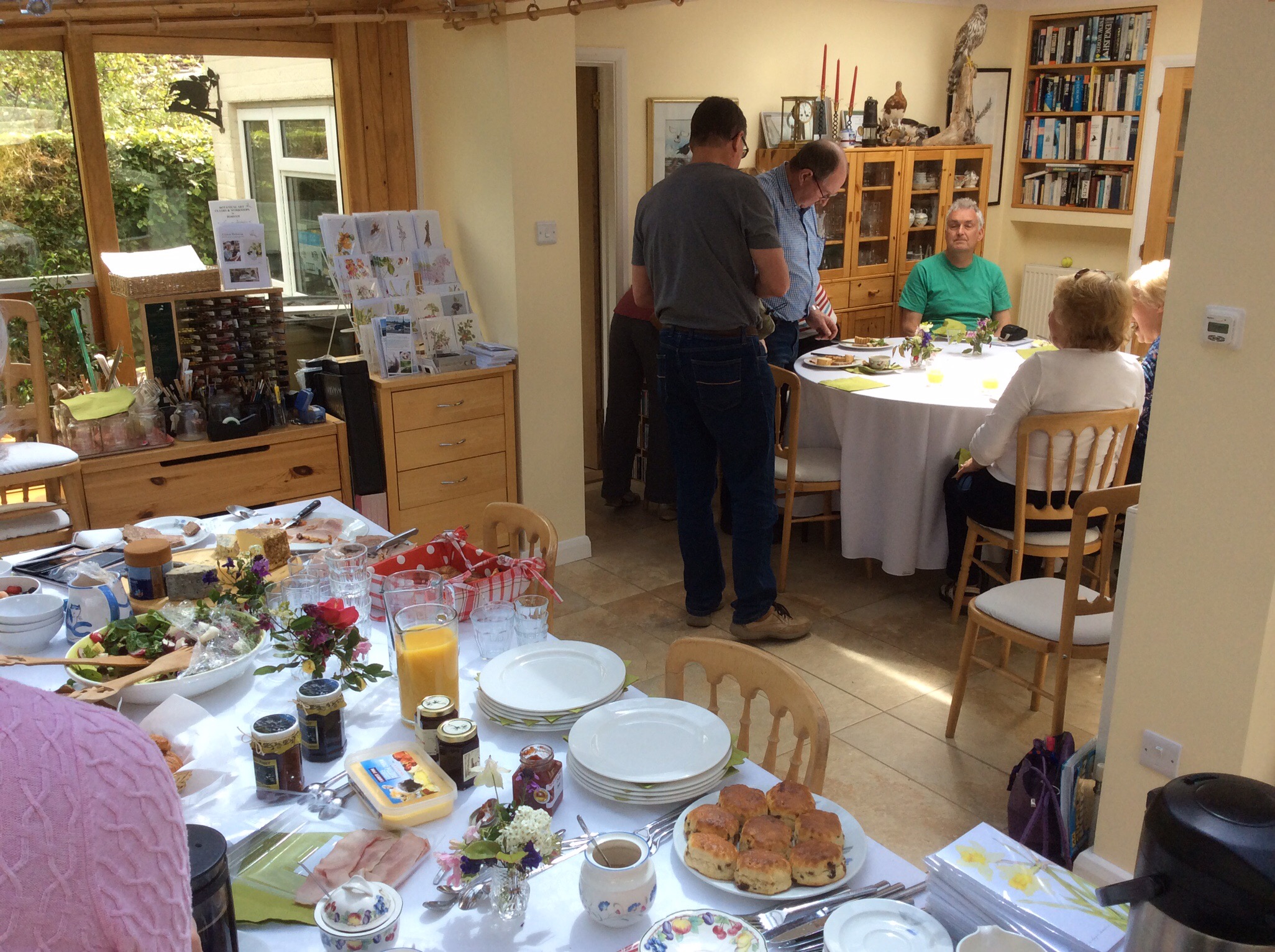
People started arriving on Thursday, we met for supper on Friday, then from Saturday afternoon we hosted everything from home!!!. Afternoon tea, a super dinner provided by local caterers ( I couldn’t do it), and then Sunday brunch as people waved goodbye until the next reunion. I gave the caterers earplugs (which I don’t think they used), although I really felt sorry for the people downstairs in the pub where we had our Friday meal. Our neighbours sensibly went out for the evening on Saturday.


Monday morning, 09:30 sharp, we were at the Oxmarket in Chichester. It was the Society of Floral Painters (SFP) hanging in day. Robin was a runner and I was on the selection panel. I have to say that we have some really lovely work in this year. We spent all Monday and Tuesday selecting and hanging the artwork. You can come and see it until 6 June, except for Mindays, although it will be open this bank holiday Monday.

This isn’t meant to be a diary, but there is a lot going on at the moment.

Yesterday I had my normal class in the morning and then we went into London to bust Chelsea, with a small stop on the way at the Chelsea Physic garden. I have to say that was the best bit. It’s so peaceful there.  We go home late last night, up early again today and the day was spent demonstrating for me at the Oxmarket and Robin was stewarding.

  
Once we got home this evening I marked a couple of London Art College assignments and tomorrow we are off to Devon. Robin is going on a cookery course and I’m going to sleep!  

Chichester Open Studio event

I spent a lovely day last Friday painting bugs and beasties with Sarah Morrish. For once I was on the receiving end and sitting down trying to get a good result from painting. Sarah showed us what to look out for when painting bugs and we concentrated mostly on Butterflies and Moths. She also gave us some good tips in an effort to get a good result. I started a Spurge Hawkmoth, but I was so busy enjoying myself I didn’t get it finished!

Spurge Hawkmoth

Since Friday I have been working hard to catch up (of course). I had quite a few assignments to look at for the London Art College where I am the botanical art tutor. But now it is preparation for the Chichester Open Studio event that is taking place over the next two weekends, including the bank holiday Monday. I was preparing some of the pictures a couple of weeks ago and now it is time for preparing the house and garden.

Everything is growing so quickly in the garden already. The Magnolia feels as though it is long gone. The lilac tree standing next to it is just about to open its buds. The Wisteria flower buds have been swelling gently over a few weeks and now it looks as though they are about to burst.

But Robin thought that we should change the name of our house to Crab apples. Because I painted crab apples for the last series I exhibited at the RHS, we now have quite a few crab apple trees. We have four in the front garden and three in the back garden. They are an absolutely amazing display this year. But in addition to those we also have some eating apple trees in full bloom (something ate round the base of the Bramley apple tree last year, so it is struggling), a cherry tree and the Canary Rose has started to bloom. That will be an incredible sight too.

But for everything to look good, the weeds need to be removed. I have spent a long time digging up three-cornered garlic in the front garden. It looks really lovely but it seems to kill off everything else. In removing it one needs to be very careful and lift it gently so that all the new tiny bulbs don’t break off into the soil. One day I will get on top of it! Robin has been removing the same from his Fern patch before they become taken over.

A couple of days ago I removed the weeds from one of the kitchen garden beds, but today I have been weeding around the shed at the bottom of the garden. For those who haven’t already heard this, the shed is where I paint. This will be the place that hopefully you will come and visit sometime over the next two weekends.

In the house, we will move the table that I use for my classes and workshops, and hang botanical art pictures. This will include those that I have been dealing with the last few weeks. Robin looks after this side of things as I am much better at showing and telling people how I do it. With any luck we might interest more people to take up botanical art.

Do come and join us. Bosham is a lovely place to come and see at anytime of year, but during the Chichester Open studios art trail there are a lot of artists who are inviting people in to look at their artwork and to watch how they make it. Our address is in the trail catalogue which can be picked up almost anywhere, but it is also in the ‘exhibitions’ page of this website. In particular the little enclave where I live – Critchfield Rd and Windmill Field, there are several artists. But as I am the last one you get to, please don’t wear yourself out before you Reach me. You can always come for a sit-down and a cup of tea, have a wander in the garden, visit the shed (and me) at the bottom of the garden and my husband in the house. The trail is open 10:30-17:30 each day.

These pictures are all from the front garden.

This slideshow requires JavaScript.