Foraging plants in the norwegian mountains – 10. My working practice

Composition

Do these three pictures have good compositions? It is not easy for you to judge from these as composition is the area within the mount edge – the image and background.

  • Benton Iris ‘Farewell’ is Watercolour and graphite. The painting is part of the Cedric Morris Florilegium.
  • Dying Rosa rugosa is in Watercolour. It was one of the first paintings I did after returning to Norway. The sprig was sticking up above the snow, so it shrivelled quite fast.
  • Rhododendron impeditum is also watercolour and graphite. This picture is part of the Chelsea Physic Garden Florilegium.

Composition in botanical art is not necessarily very straightforward. As botanical art is ‘art’ it should have a main focal point that draws you into the picture. Once your eye is drawn into the picture, something needs to lead it around within that picture and prevent it from being lead off elsewhere.

On top of this, botanical art must be botanically correct. 
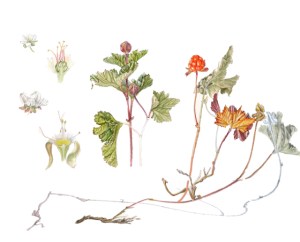
The first digital arrangement of my cloudberry sketches

Combining the art and botany for each picture is hugely difficult particularly when you have different sections telling a story about a plant. Having a series of plants in separate pictures that elaborate the story compounds the problem. 

To try and reduce the problem a little I started to arrange the pictures digitally. I scanned some of my sketches and moved them around within a 31 x 25cm area. It gave me something to think about when deciding what to include in each picture and how many more sketches I would need to get all the information I needed.

Scanning and arranging digitally gave me the opportunity to do something similar with my other species and the ability to compare them against each other. This composition looks nothing like the final one, but I kept rearranging until I was satisfied.

I worked hard to compose my set of pictures so that they looked a series. This can be quite difficult when some are from different families 

  1. Rubus chamaemorus – Rosaceae
  2. Vaccinium oxycoccus Subsp. microcarpum – Ericaceae
  3. Vaccinium uliginosum – Ericaceae
  4. Empetrum nigrum subsp. hermaphroditum- Ericaceae
  5. Vaccinium myrtillus – Ericaceae
  6. Vaccinium vitis-idaea – Ericaceae
  7. Arctostaphylos uva-ursi – Ericaceae

The first word in each species is the Genus name from which the plant is derived. Four are Vacciniums from the same Genus.  Six of the plants are from the Ericaceae (heather) Family and you can see this by the similarity of the flowers. One is from the Rosaceae(rose) family, and the stipules on the leaves (tags at the base of the leaves) is a clear indication of this.

Deciding the enlargement was relatively easy with the plants from the Ericaceae Family where the fruit is comparable. But as everything was larger on the Cloudberry picture, only the scale bars can give the size.

My aim with all the pictures was to let people see and understand the incredible flora and edible fruit available in the mountains. Many look at plants and think them pretty, or know where to pick certain fruits, but not so many study the plant and understand how intriguing it really is. This is an opportunity.

What to include in each composition.

I went through my sketchbook and made sure that I had enough information about each plant to fit on my vellum, mounted on blocks by William Cowley’s. I didn’t want to overcrowd each picture. 

The focus was the plant and its fruit, but one can’t do this without highlighting its flowers. I decided to introduce a picture of the flowers and fruit but restrict dissections to the fruit only. That is until I got to the cloudberry which was going to be the most difficult to integrate into the series. But it isn’t called ‘Mountain Gold’ for nothing.

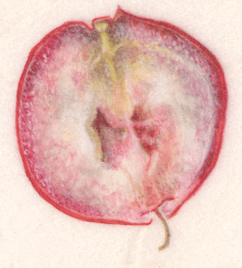
In the end, all but the cloudberry picture included a branch enlarged and branches actual size to indicate habit. Each had an enlarged flower, plus fruit with both longitudinal (LS) and transverse sections (TS). These are the finished longitudinal sections from each fruit; the largest being the Cloudberry.

In the next blog I will be talking about my transfer process. This comes 23 April 2023.

Only Eight weeks until the RHS Exhibition at the Saatchi Gallery in London;

https://www.saatchigallery.com/exhibition/rhs_botanical_art___photography_show_2023

Foraging plants in the norwegian mountains – 3. History of the project

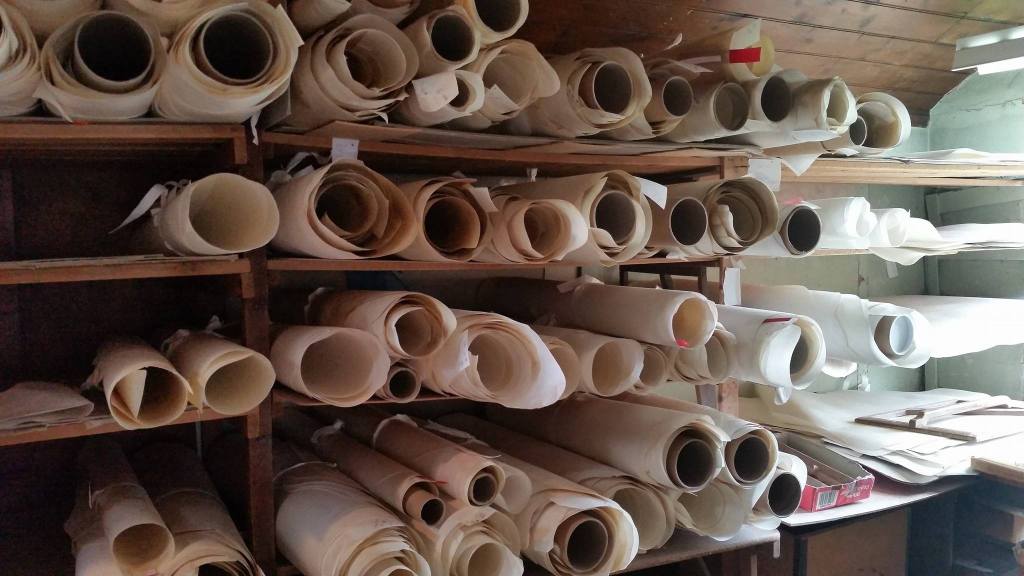
Rolls of hand-prepared calfskin vellum.

planning my choice of media

Deciding which plants to study and paint was only one of many decisions I needed to make. I also had to decide what material to paint on and with what!

I chose calfskin vellum.

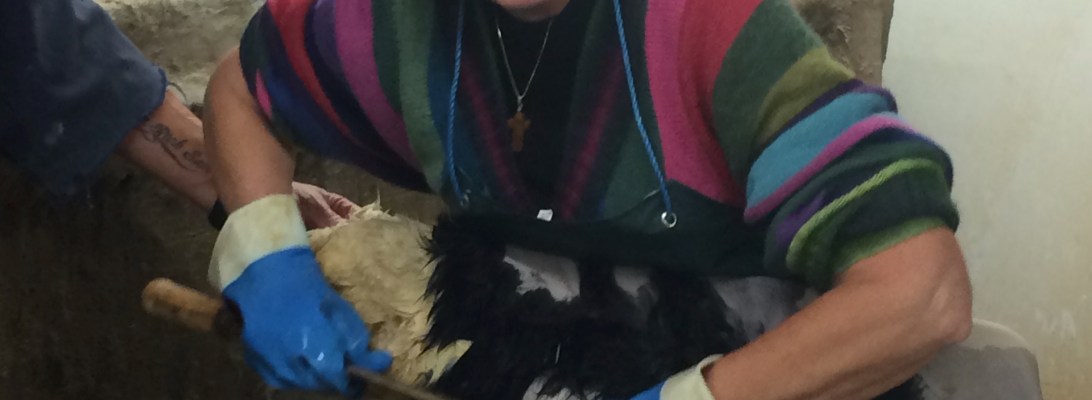
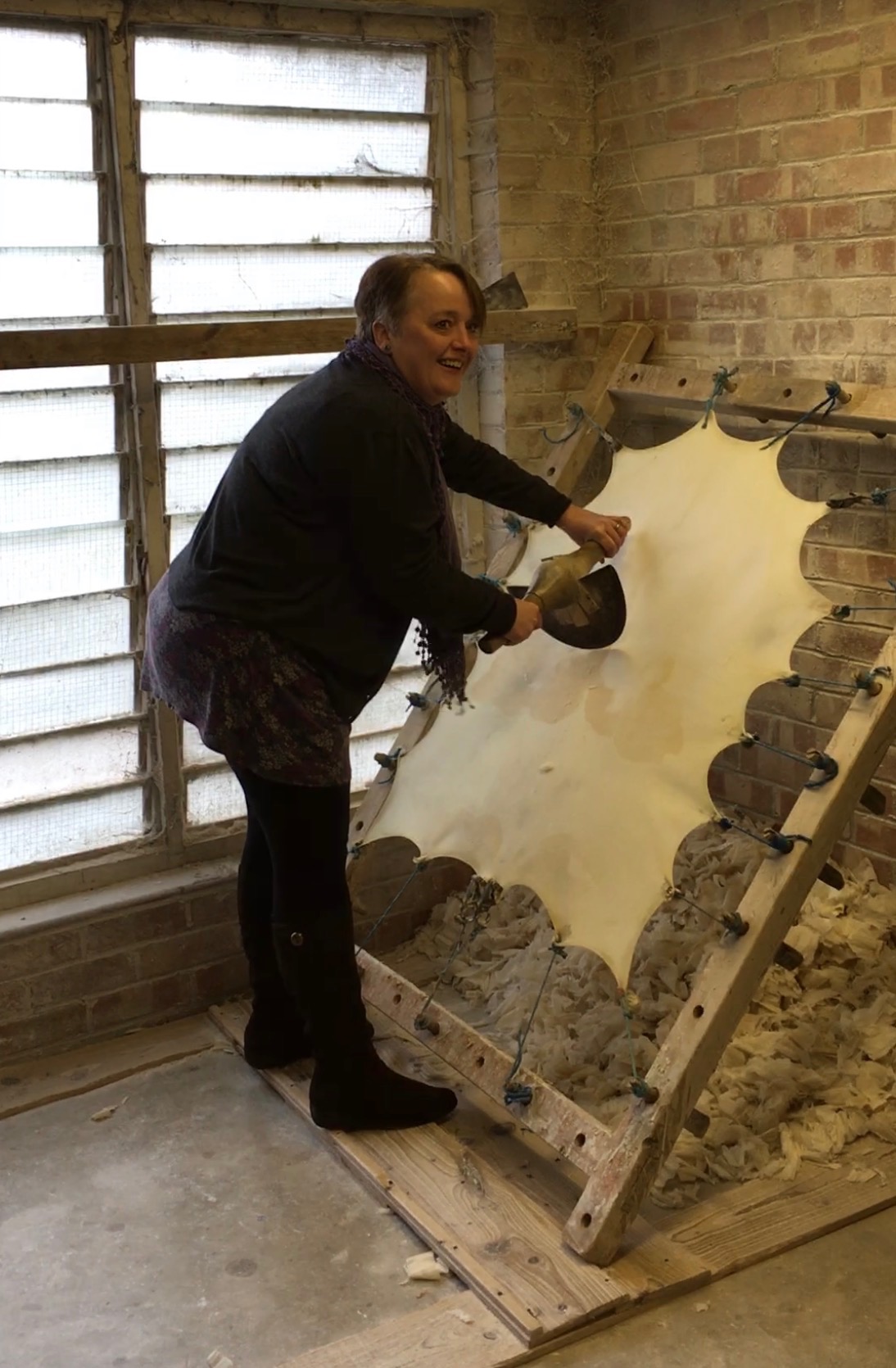
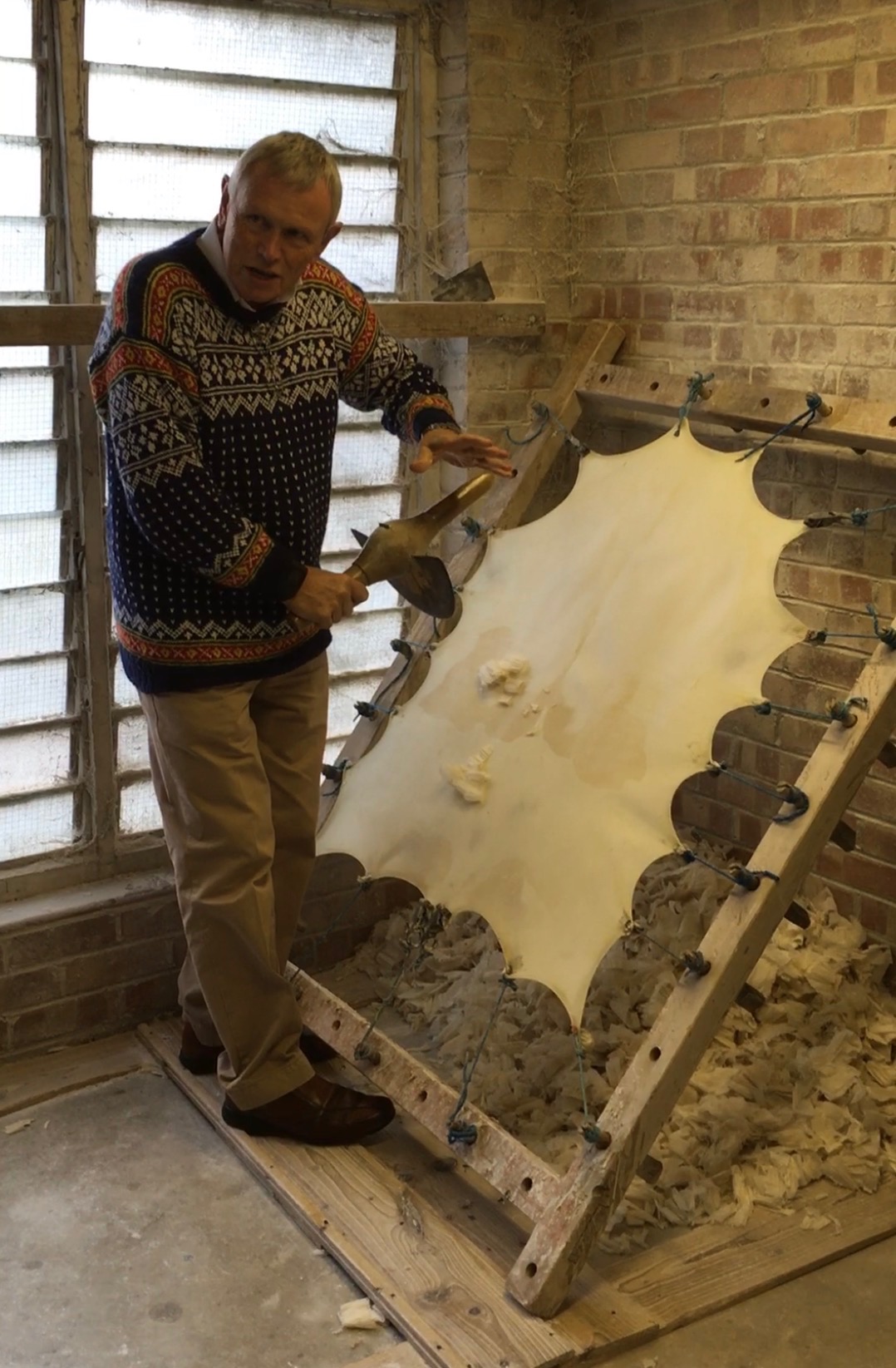
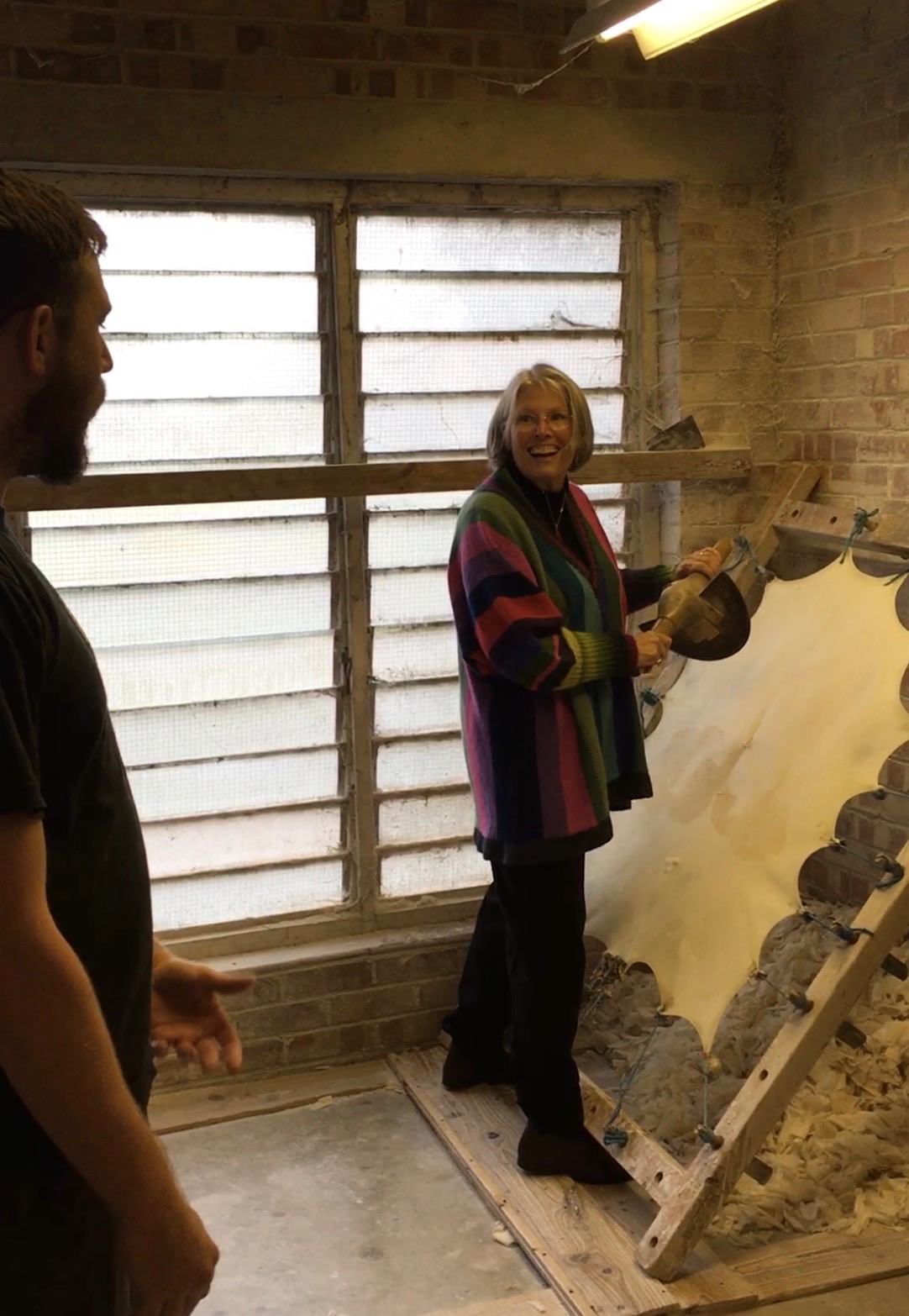
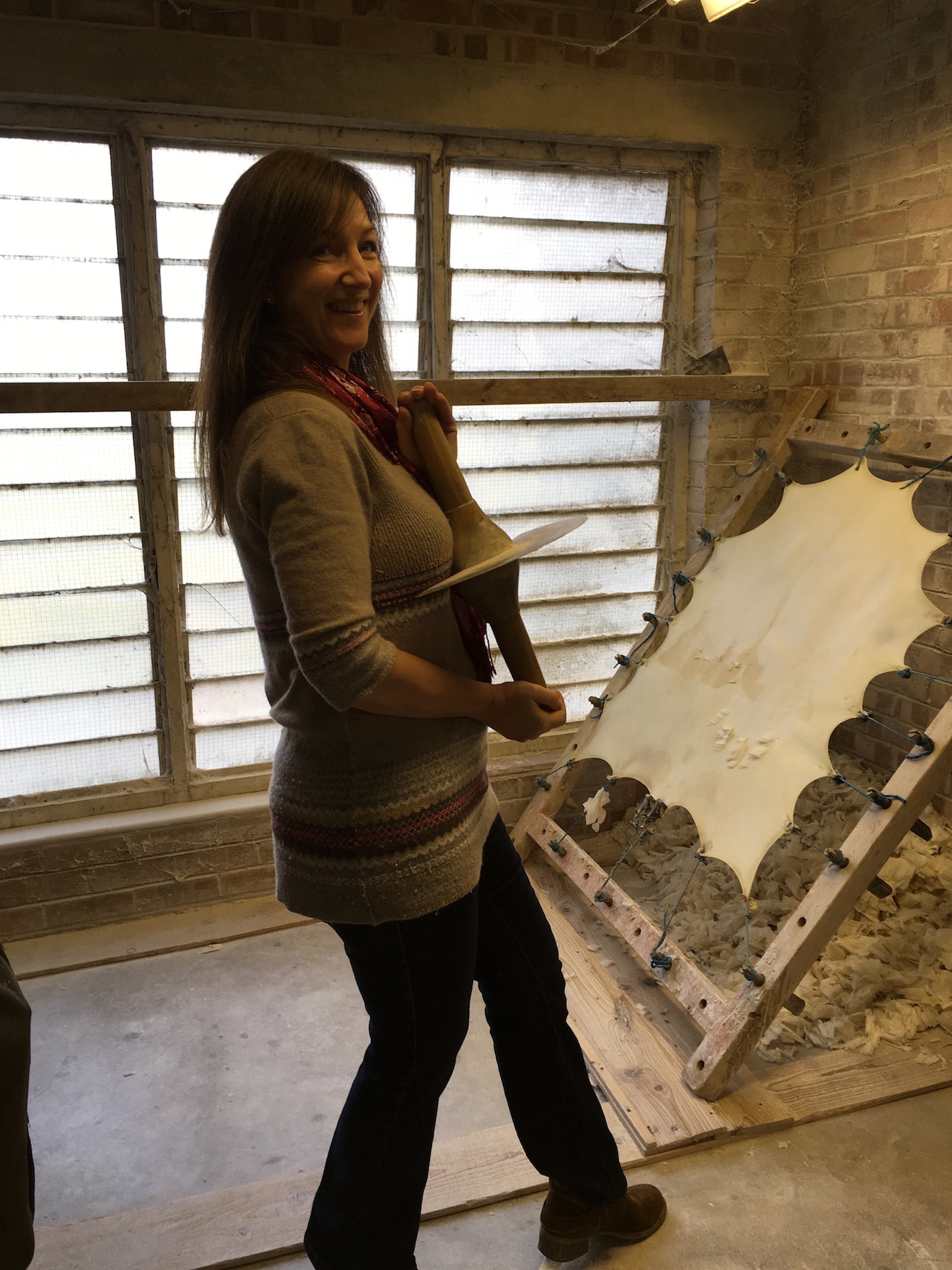
I helped to scrape the skins clean of fur.

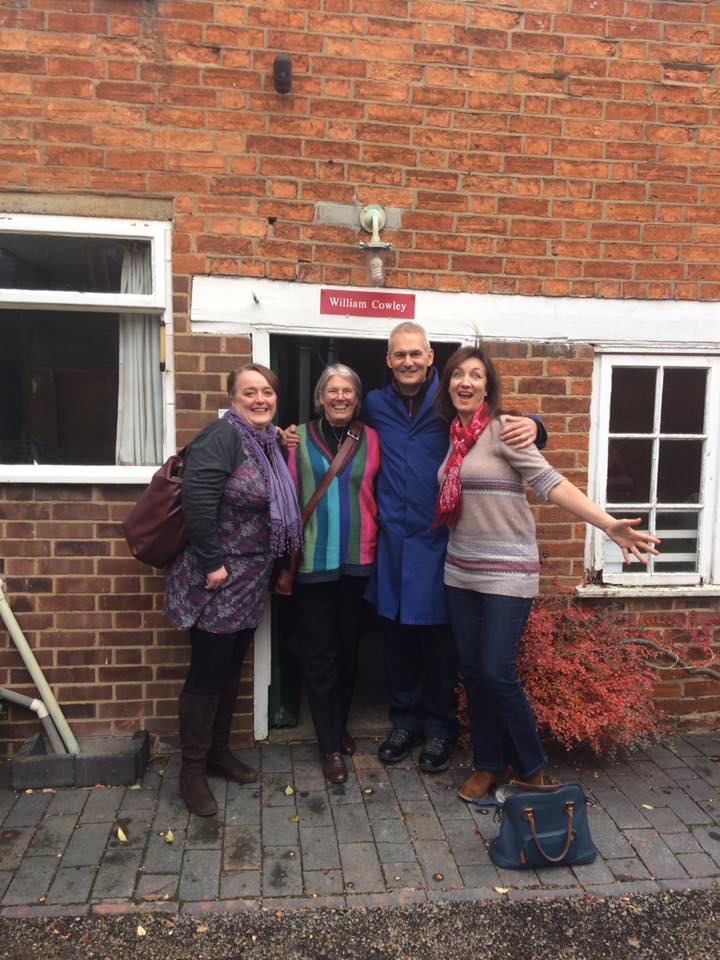
In November 2016 I met some friends at William Cowley’s and we were shown round the family business in Newport Pagnell. Cowley’s have produced parchment and vellum there since 1870. It is a smelly business, but they were able to assuage some of our concerns about using a material from animals. Apparently, no animal is killed to obtain the skin – it is a by-product from animals used for our food and milk.

The cattle, goat and sheep skins used for parchment are all obtained from farms where livestock has been reared for wool, milk or meat. No animals are bred to make parchment. 

William Cowley website

Cowley’s staff select the best skins available and transform them into beautiful pieces of parchment and vellum.

The transforming process of changing the skin into vellum and parchment used for artwork and legal documents, is hand-done and takes a long time. Cowley’s vellum is ‘worth its weight in gold’. I bought some fairly well matched skins so that I could get seven pieces from them each measuring 25 x 31 cm when mounted; Cowley’s also did the mounting for me. 

Vellum is a very special substrate and there are examples that go back hundreds of years. The Magna Carta was written on vellum 800 years ago. Today we have DNA testing and as vellum is skin, this can be a fantastic safeguard.

There are not many limitations as to what can be used on vellum with colour pigments in the form of watercolour paint, ink and gold foil well known. But graphite and waxy pencil can be a hindrance and not normally recommended because of their fatty nature and difficulty with adherence to the vellum. Whatever is used, lies on the surface and is not absorbed into the substrate as with paper. That is why the colours can appear more vibrant.

In botanical art it is customary to use watercolour on vellum, but I also wanted to introduce graphite which I knew could cause some difficulties. This was something else I needed to research.

Luckily, when I was teaching at the American Society of Botanical Artists (ASBA) conference in 2019, I watched two well known artists painting on vellum with watercolour and graphite graphite. I absorbed all the tips that they were able to give, and this helped enormously when adding the graphite sections to my pictures.

Composition contents

Golden section overlaid Vaccinium corymbosum leaves artwork. Note compositional use of ‘third’ lines and placement of main focal point.

Composition is a very difficult subject, and it is something many of my students struggle with. There are loads of ‘rules’, but the best design is by those who know the ‘rules’ and know how to break them; look at Rory McEwen’s work as an example.  When saying this, it sounds as though I have overcome the issue of composition – far from it. For every picture I paint, the result is my subjective view. For the person looking at the picture, their subjective view is likely to be slightly different. 

However, in modern times there is much research into the placement of the main focal point and some equipment can ‘see’ what the brain notices first when accessing a picture or view. As a baseline, the Golden section is not far out. Therefore, defining the placement of the focal point in a picture is important.

I have spoken to quite a few people about what they would like to see in my series of pictures. I had decided on the measurement of the mounted vellum piece, 31 x 25 cm, therefore I had limited space. 

I wanted to paint several elements of the plants, repeated across the series, demonstrating details of the plants not normally appreciated. I hoped that people taking their normal flora for granted would learn about these plants from my finished artwork.

As I was looking at edible fruits my main point of interest was the fruit. But, without overloading the composition I wanted to give information about the flower, its habit and habitat. I still hadn’t decided exactly which plants I would include, but I knew that they would normally live several meters over sea level, preferably in the mountains and probably have some sort of association with each other. 

Read on in the next blog due to be published 30 March 2023

The Cowley’s experience

For those who don’t know, William Cowley’s is the last remaining vellum maker in the UK and the only one in the world to hand-finish the skins. They make  use of the skins left over from our meat consumption, so that almost none of the animal is wasted. That is an important fact; no animal is slaughtered for the production of vellum. It is a waste product that would otherwise go to land-fill.

Today, four botanical artists and a self-proclaimed bag-man visited Cowley’s. We were looked after royally. I think in fact that they will need a day to recover from our visit!

Welcome at Cowley's
Welcome at Cowley’s

Gaynor, starting the preparation.

Dianne Sutherland making her own vellum
Dianne Sutherland shaving her own vellum

Sarah Morrish thinking about her bugs and beasties for her vellum.

Robin, no longer bag-man, but preparer of vellum.

What happens if this goes through the skin?

Shevaun Doherty found this Ooooh worthy!

Paul, catering to all our needs!

Four happy botanical artists.
Four very happy botanical artists.