Capturing Nature: Birds and Botany in Winter

On a walk exactly four years after moving into our Norwegian home.

The above walk was with my children and husband. We went a little further south along the coast from where we live. It was on the edge of a beech wood, very cold and plenty of snow. However, the temperatures were not as low as the day we moved into our new home. On that day, it was minus 15 degrees Celsius!

I have had botanical art students from just as cold climates. They have asked what they should paint when there isn’t too much growing. For my course, I always suggested they might buy indoor plants to complete the course. Once they had finished the course, they could choose their favourite subjects.

A fair amount is still available in the countryside. This can be seen in the picture above, showing the edge of a Beech forest. My garden also contains rose-hips, beech, oak, Rowan, pine, hazel, all of which is accessible above the snow. It also has a lot of wild-life.
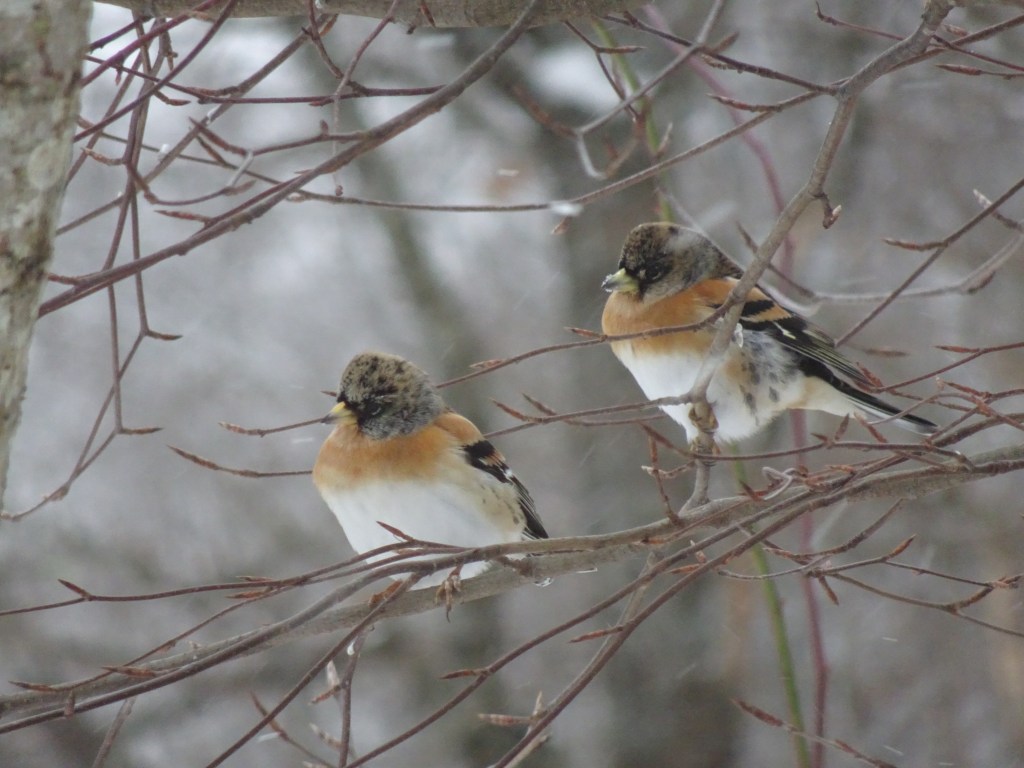
Bramling – Fringilla montifringilla – Bjørkefink in a Beech tree.
Single female Roe deer – probably first winter alone.

Many years ago, during my first 25 years in Norway, I focused on painting birds. At that time, I relied on photos taken with my SLR attached to my telescope. For additional detail I used skins from the museum. Since then, the equipment available to me has changed. It is more affordable now. I can get much better photographs from my trusty little camera than I did from my film reliant SLR.

Gradually we have moved the bird feeders nearer to the house. This allows me to get quite good photos. Feeding the birds in the garden also provides a plentiful supply of nuts and seeds generally. This attracts other animals during the winter when the supply of food is short. Deer are also welcome visitors and mop up after the birds. But we do have to try and protect our fruit trees a little!!

So what do I paint? I decided to combine my love of painting birds, with my love of botanical art?

Many of the bird species move from the mountains to lower lands searching for food during the winter. This includes the Bramling, Yellowhammer, Siskin, Bullfinch and Hawfinch. At the beginning of the winter, their colours can be a little drabber. As spring approaches, they get new plumage. and become very colourful.

Now I spend quite a bit of time photographing these beautiful birds from the comfort of my own lounge. The two pictures above are good examples.

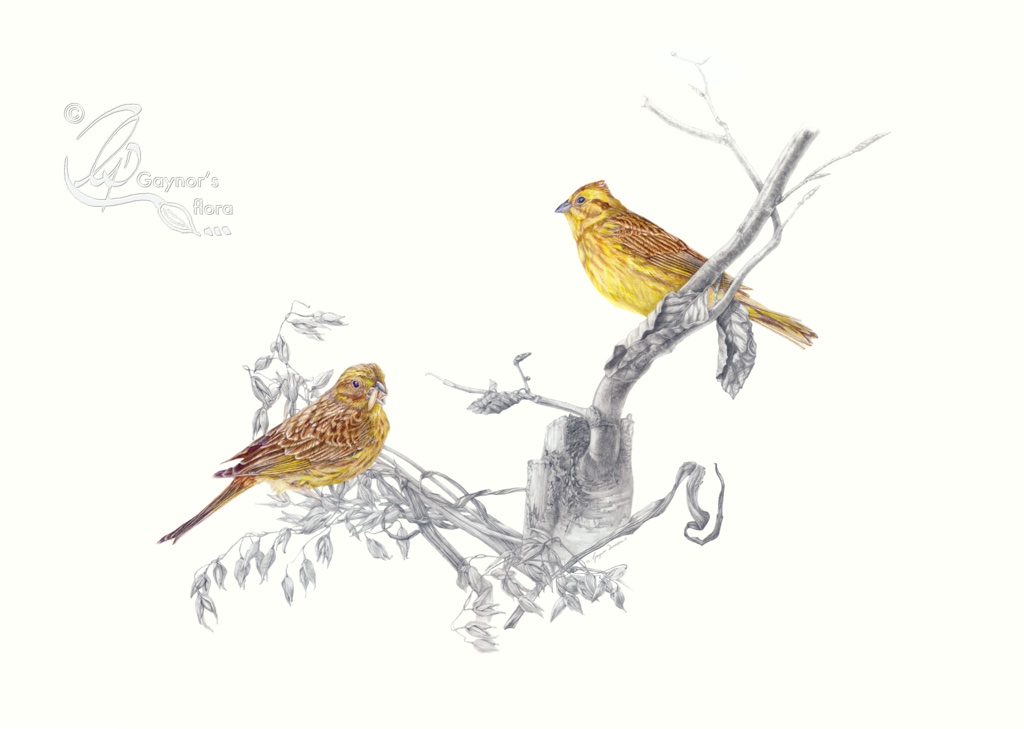
So where has this led me? It is traditional in Norway to put out sheafs of corn for the birds for Christmas. The Yellowhammers seems to be very interested in this food source and flock to the sheafs. This year, we have the corn hanging in a Beech tree, so I had both botanical subjects with the birds. Additionally, I always loved the use of graphite and didn’t start using colour in my artwork until my mid-twenties. So this picture is a combination of glowing colour for the birds and graphite for the botanical detail.

To confirm which is which in this Yellowhammer pair, the female is the more motley colour on the left. I do enjoy painting her more. The Male in striking yellow is on the right. He is very gentlemanly and making sure she is feeding un-molested. All is painted actual size. The finished painting is 52 x 37 cm. Enjoy!
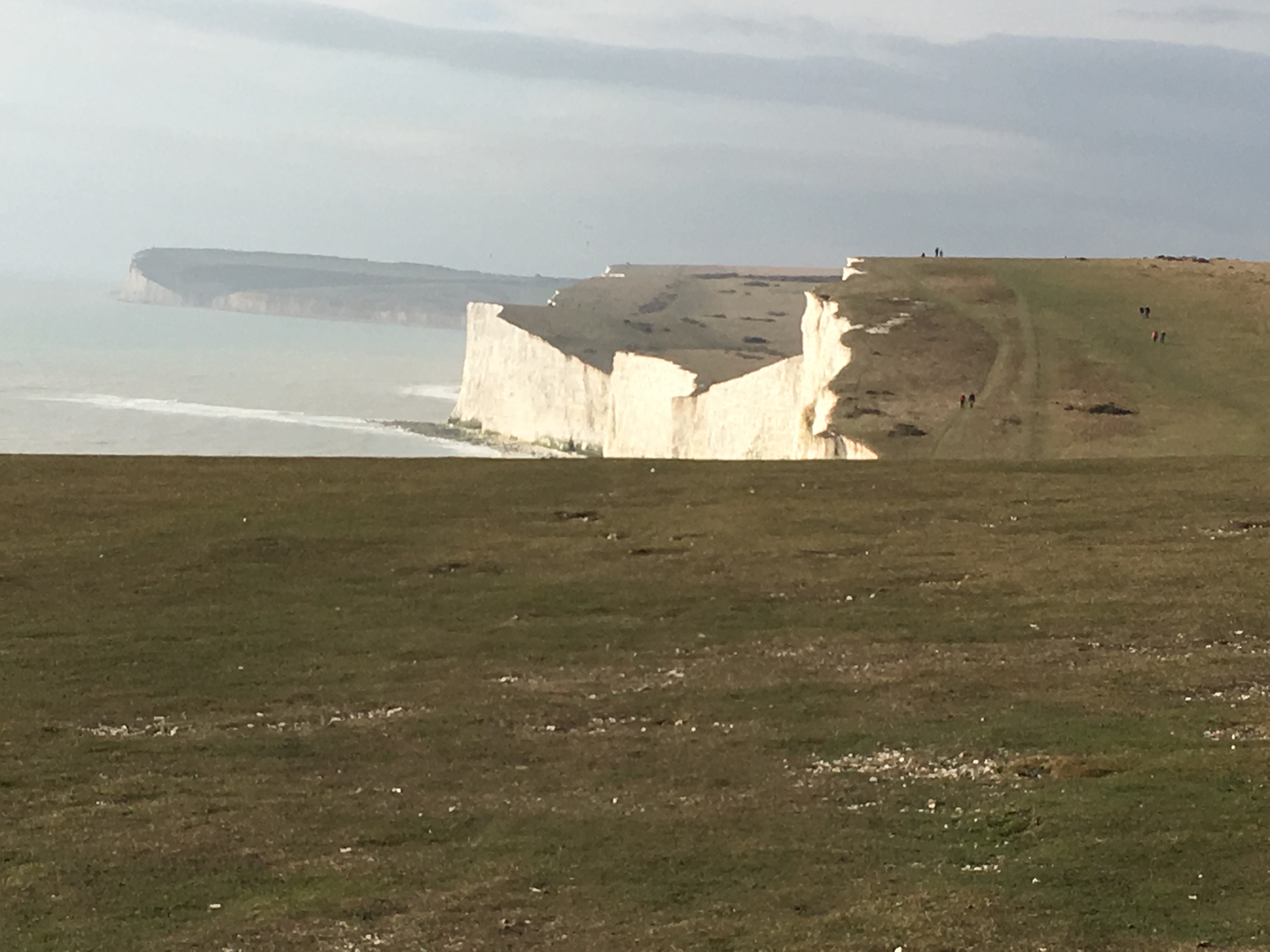
Now I know what the Seven Sisters are!

We have just got back from long, tiring hike, with a lot of steep hills. We started near Cuckmere Haven, went up through the Friston Forest and then down to the Birling Gap, going along the cliff path in the Seven Sisters Park back to Cuckmere.

I generally write about something pertaining to botanical art and this is no different. But if one is able to get around – and I recognise that not everyone can do so, getting out into nature to look at the subjects it provides for us is exciting. Unfortunately not everyone does have the ability to get around and hopefully my blog can bring some of what I experience to those people.

I have spoken a lot about native flora of late and of course that is because I am involved in the ABBA team that is putting the UK on the International Botanical Art map in May 2018.

I, like many other botanical artists have always painted or drawn the plants that do something for me, no matter where those plants have originated. The topic of the Worldwide exhibition is ‘Native plants’, therefore I have looked long and hard at the pictures I have painted before and those I want to paint in the future. There are so many plants that are considered native and often they are right outside our back doors. But they can also be quite stunning.

Click on this link to see a picture of Bee Orchids at the bottom of the page, painted by Claire Ward. I had to ask her if they really were native plants – and yes they are. http://www.abba2018.wordpress.com

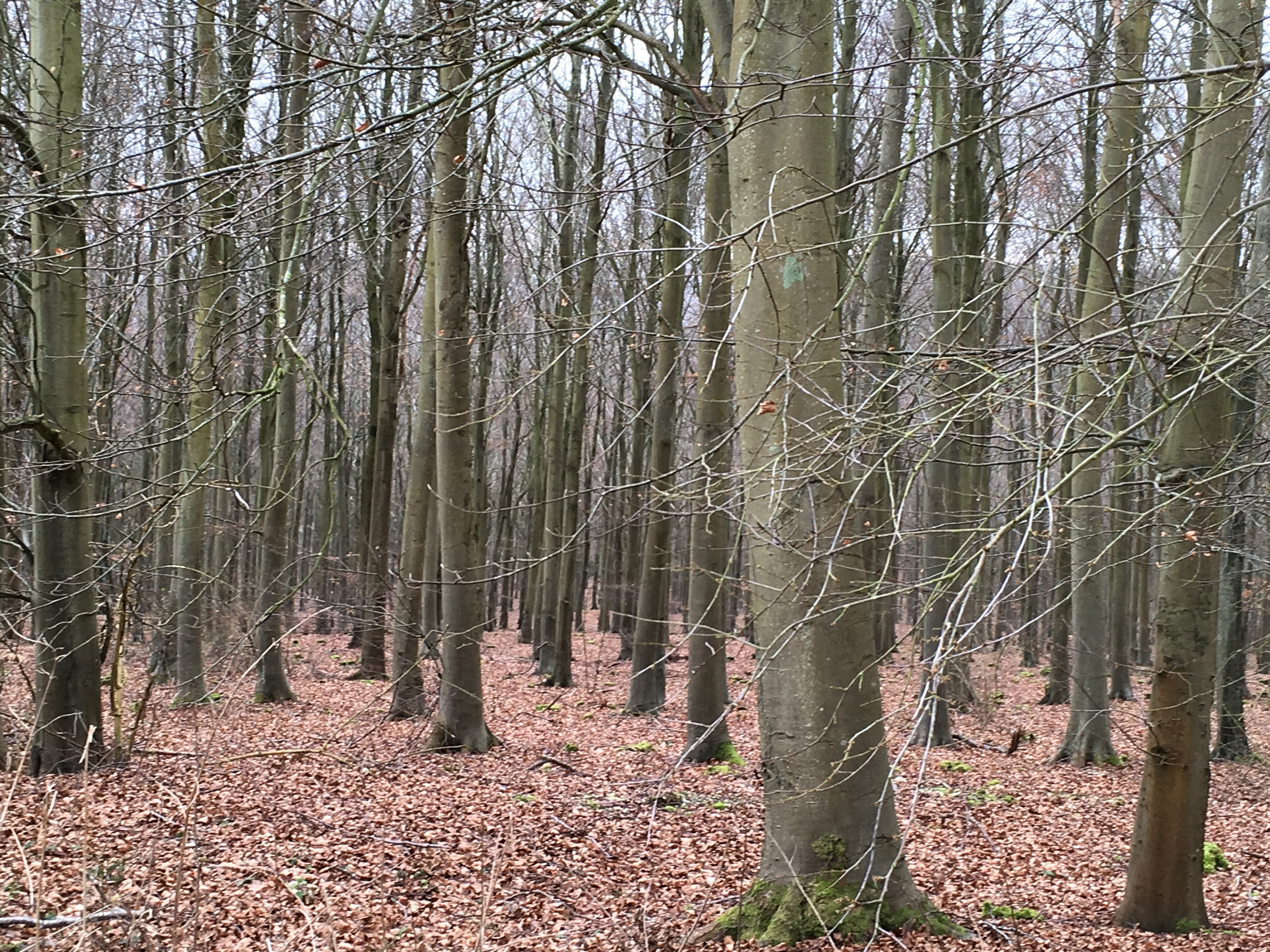
Back to the Seven Sisters and Friston woods where we saw this lovely forest of Beech trees.

img_0251

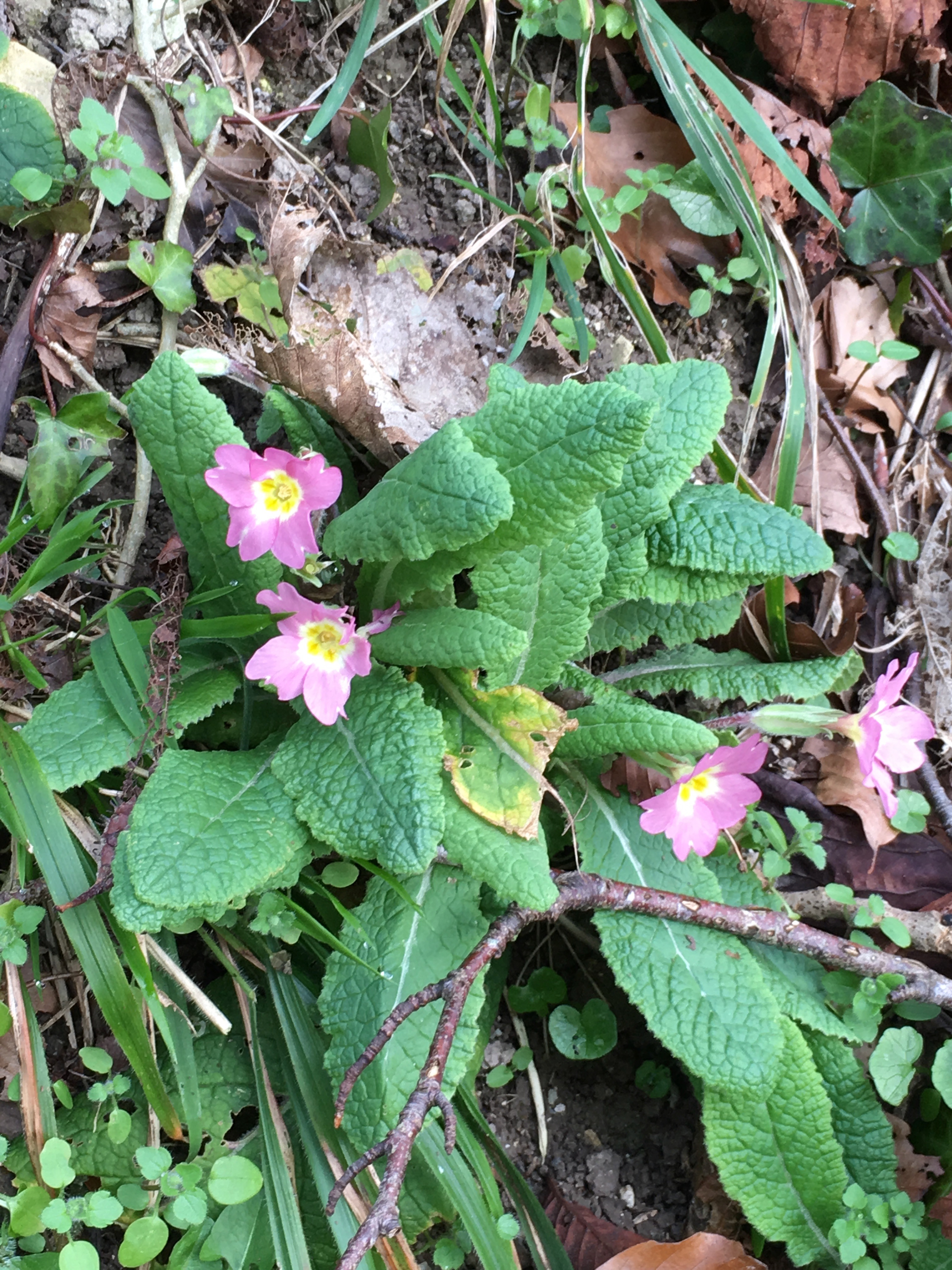
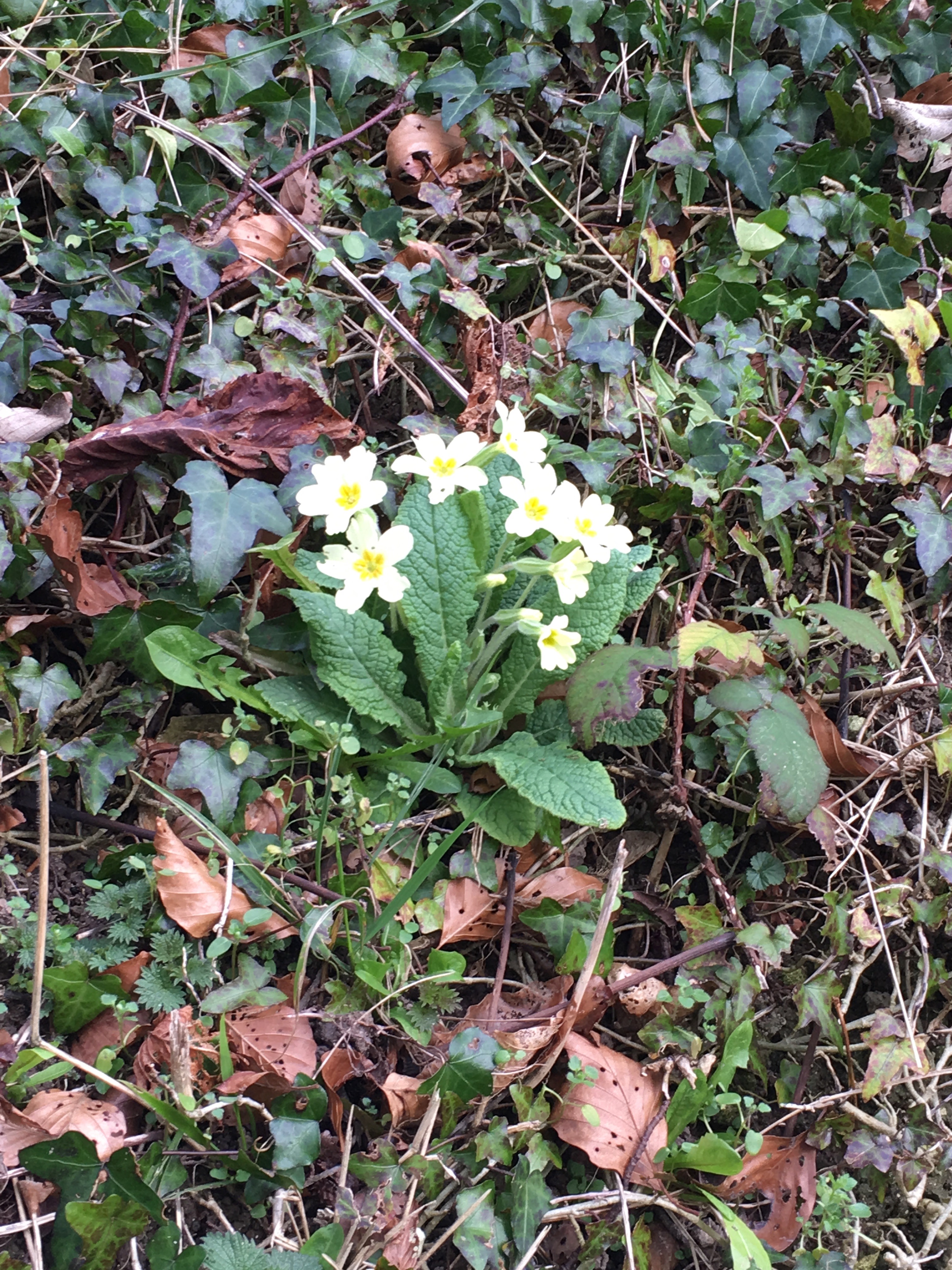
Apart from swathes of Snowdrops at the beginning of the walk, we also found clumps of Primroses –
img_0254 img_0253


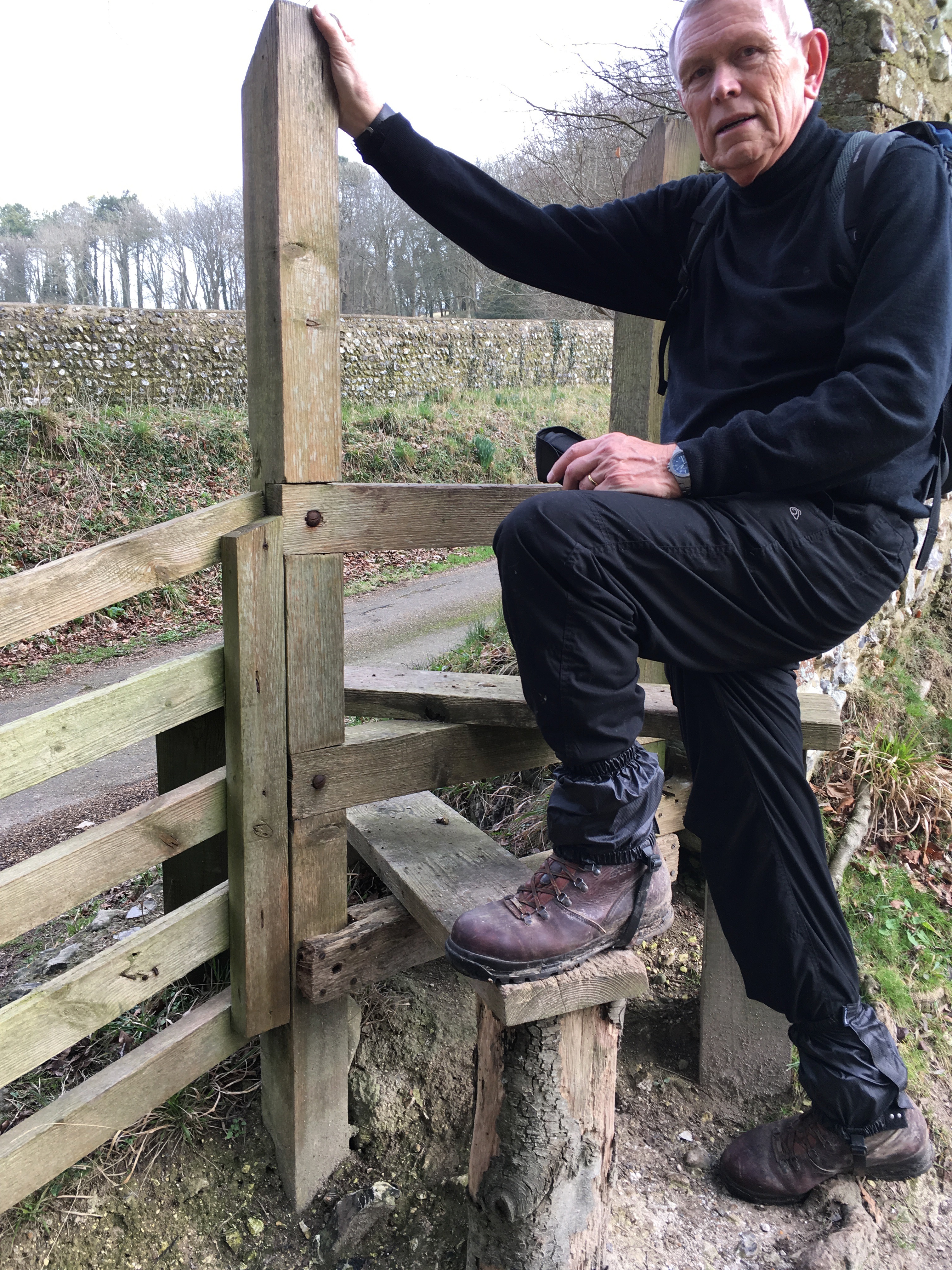
and some stiles! Not good for us old people. Bear in mind Robin is just older than me (although he hides it well), but it is me that struggles so much with these contraptions. I can walk for miles over rough terrain, up and down. But climbing a stile gets me. I think those stiles will get me before walking a long distance does. I am so glad when I see a gate that can be opened, and would happily hang over an edge to get round a post rather than over the stile that might be inbetween. Not to mention some of the stiles that are so rotten, that they are dangerous. None were today.

img_1189-1

img_0256


We had tea and cake, outside at the Birling Gap. I only mention that to show the difference in the weather over one week. Last week it was bitter cold, but today was quite pleasant if one kept walking.

The Seven Sisters is a series of chalk cliffs that rival Beachy Head (the White cliffs of Dover). Part of the South Downs Way runs along the cliff top, which goes up and down seven times. In fact, I thought I counted eight, but by the time I got to Cuckmere Haven, I was past caring. Along this stretch there was a lot of flowering gorse. Pictures do show a little of the beauty up there.
img_0262

img_0264