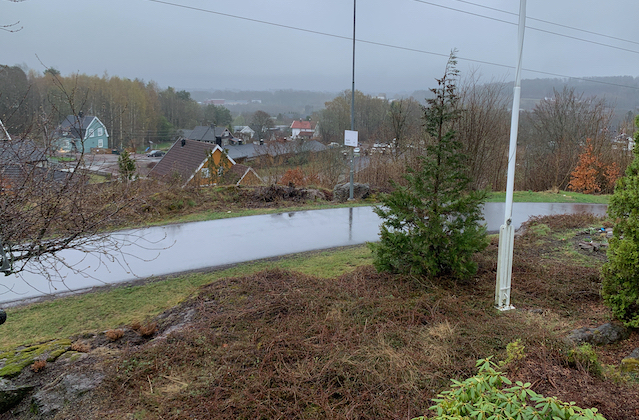
Spring was here!

Blåveis - Liverwort - Hepatica nobilis. Watercolour on hot pressed paper.
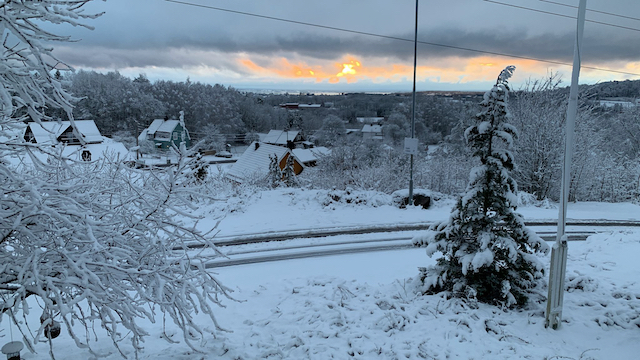
Three weeks ago – 29 March 2023
15 degrees, hike break – 22 April 2023
5 degrees, 24 April 2023

Last week it was getting warmer and warmer, the snow vanished completely the week before and buds started showing on the trees. We noticed that the weather forecast was not going to be quite so good this week and it also threatened slush tomorrow!

Chewed Bramley tree. The top buds are fine!

Last week I raked the rubbish off the front garden from the snow ploughs and saw that quite quickly the grass turned from brown to green. Flowers started poking their heads up from the grass and I am keeping my fingers crossed about the survival of some things we planted last year.

The deer made quite a feast of a few plants and last year was obviously a very good breeding year as we have had steady traffic from foraging young and old . The Bramley apple tree I managed to find and plant last year has had a thrashing, as have one or two of the fruit bushes. They love the green stems of the Bilberry and they are chopped back quite well! But they also love the tips of the tulips that they polish off in one foul swoop.

The badger is a regular visitor again and cleans up under our bird feeders.
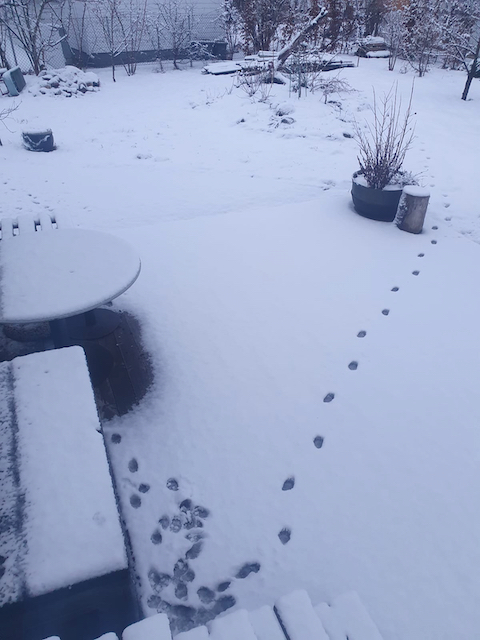
Badger tracks to my daughter’s storage box.

My daughter has a storage box on her terrace, where she keeps the peanuts for her birds. It was very obvious when the badger woke up from hibernation as the track to and into the storage box started again. He/she gets into the box to eat in comfort!

I think everyone understands that I love this beautiful country, but the sun doesn’t shine all the time and I felt I owed some less than glamorous pictures😏.

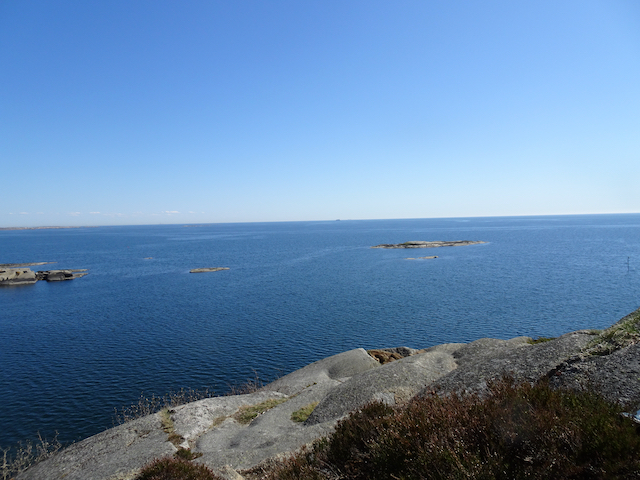
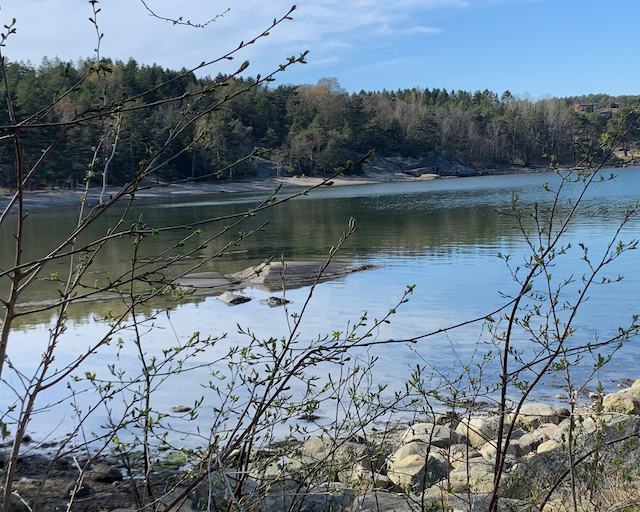
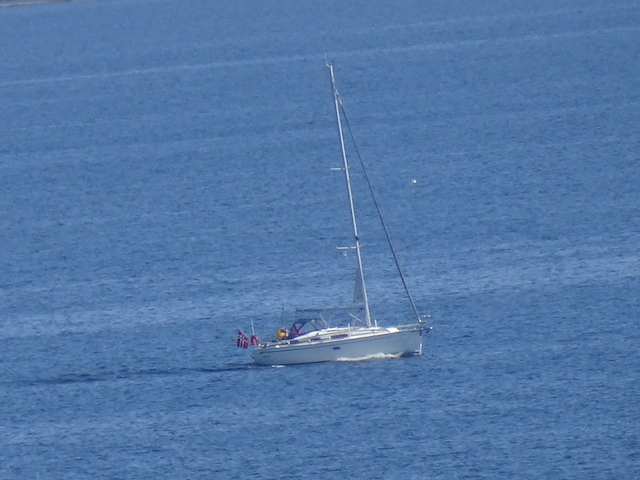
But now, a few beautiful pictures from our 11k walk on Saturday, on a peninsula not too far away. We walked along tracks in the woods, climbed over rocks, sank into sand along the sea edge and climbed up to a viewpoint where apparently a lot of ships came unstuck.

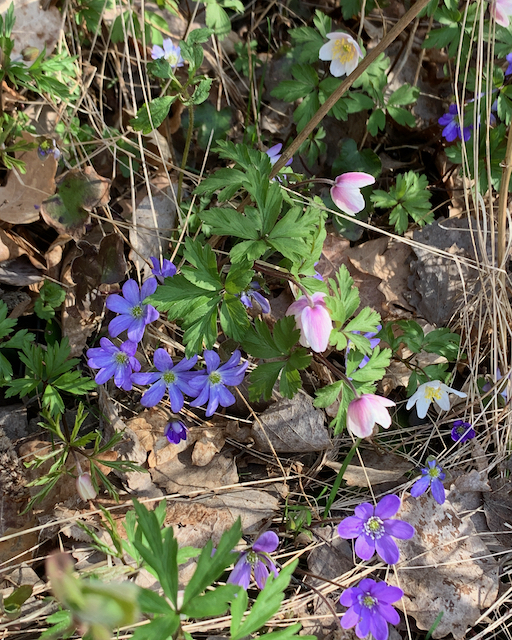
My favourite flower is Hepatica nobilis, which has apparently changed Genus and is now called Anemone hepatica. That makes it easier to describe when comparing it to Anemone nemerosa.

The blue flower in Norwegian is called Blåveis (Liverwort in English) and the white one is called Hvitveis (Wood anemone in English). They often grow in similar areas although the Blåveis prefers chalk areas and deciduous woods. It is found in Eastern Norway where it is more likely to get a covering of snow during the winter. The Hvitveis is found in woody areas almost everywhere in Northern Europe, although not further north than Lofoten in Norway.

The first sign of the Liverwort is when the furry bud peeks up through the leaf litter. The liver-shaped leaves follow, although leaves remain on the plant throughout the winter. Note the different blues with the white stamens like star bursts.

The Wood Anemone leaves appear first with the flower bud on the stem. The backs of the petals can often be pinkish and the stamens are yellow.

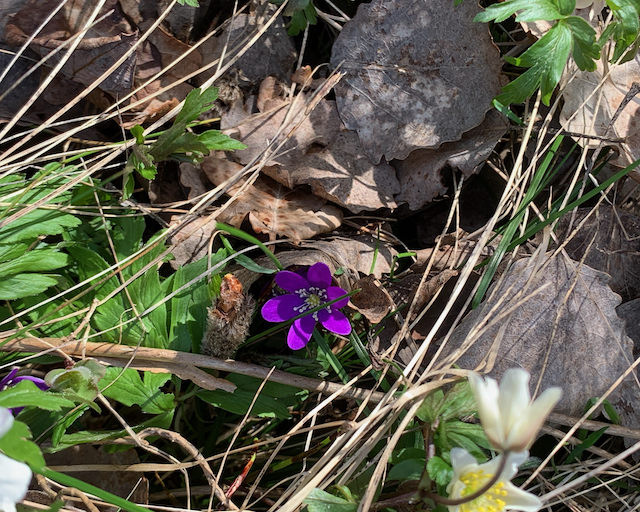
We had an absolutely lovely walk and got back home tired and exhausted, but happy.

Now it’s pouring with rain; at least it isn’t snow, but I do have my woollies back on again. My picture for the RHS exhibition are packed and ready to go and the tape from the removals company came in very useful.
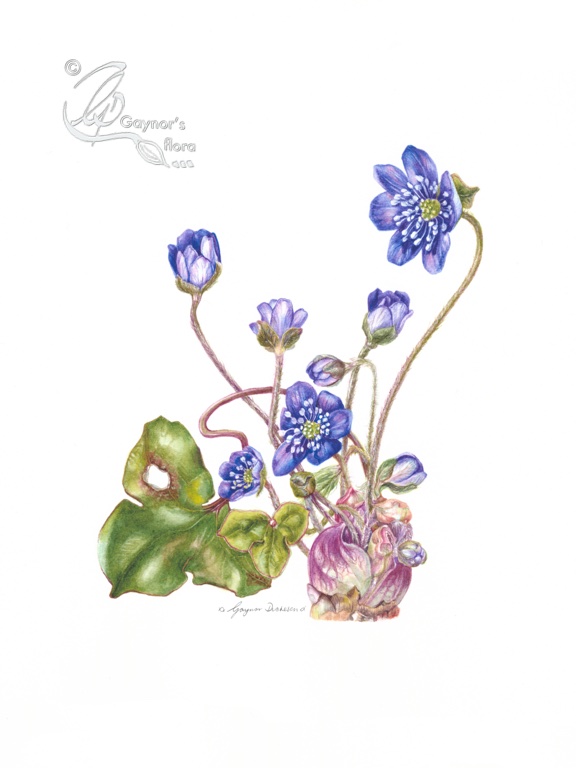
Blåveis - Liverwort - Hepatica nobilis. Watercolour on hot pressed paper.
Blåveis – Liverwort – Hepatica nobilis. Watercolour on hot pressed paper

How the weather and the plants change in the mountains.

The other side of the valley looking down to the cottage

Robin, ant directing!

You might not be able to make out too much detail in this picture, but we were on the other side of the valley from the cottage in which we stayed. To get there we went down to 806 metres and the highest part was 1104 metres. We only walked about 10 km – in 5hours and finished it off with a waffle and sour cream. Delicious!

This time the day was fantastic. The wind had dropped and it was actually warm-ish – about 16º C. In some areas we even took off our fleeces.

On our journey we found female Cloudberries, Pedicularis sceptrum – Moor King, ants struggling down a little river (so we provided some with a life raft and others with a bridge).

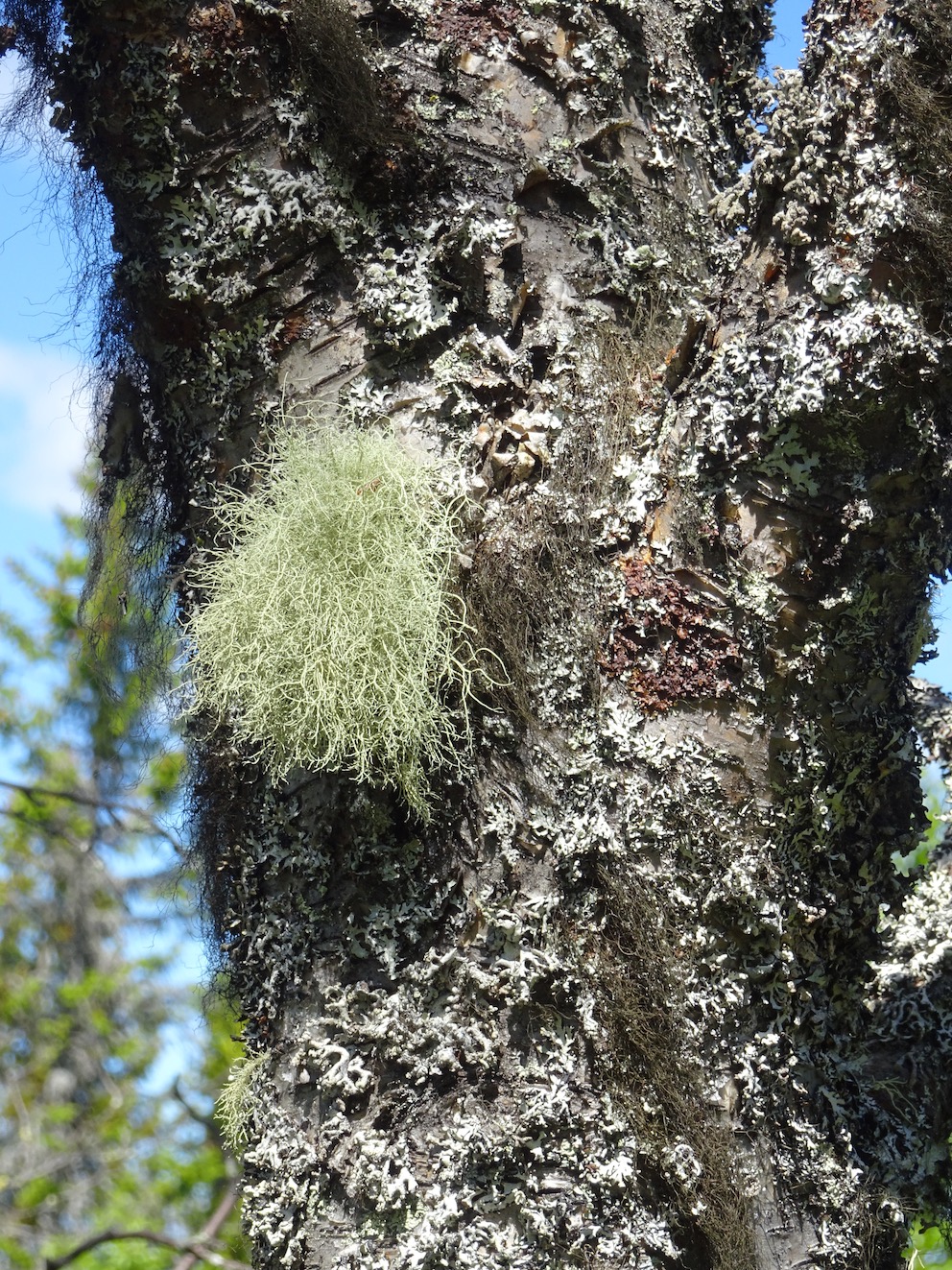
Usnea Lichen

We also found a birch wood with a lot of fresh Usnea lichen hanging off the trees.

Birch skog.


I have always found that the colours in Norway at this time of year really sparkle. The green of the grass seems so new and the blue of the sky is also amazing. Of course you can see for miles and miles.

Waiting

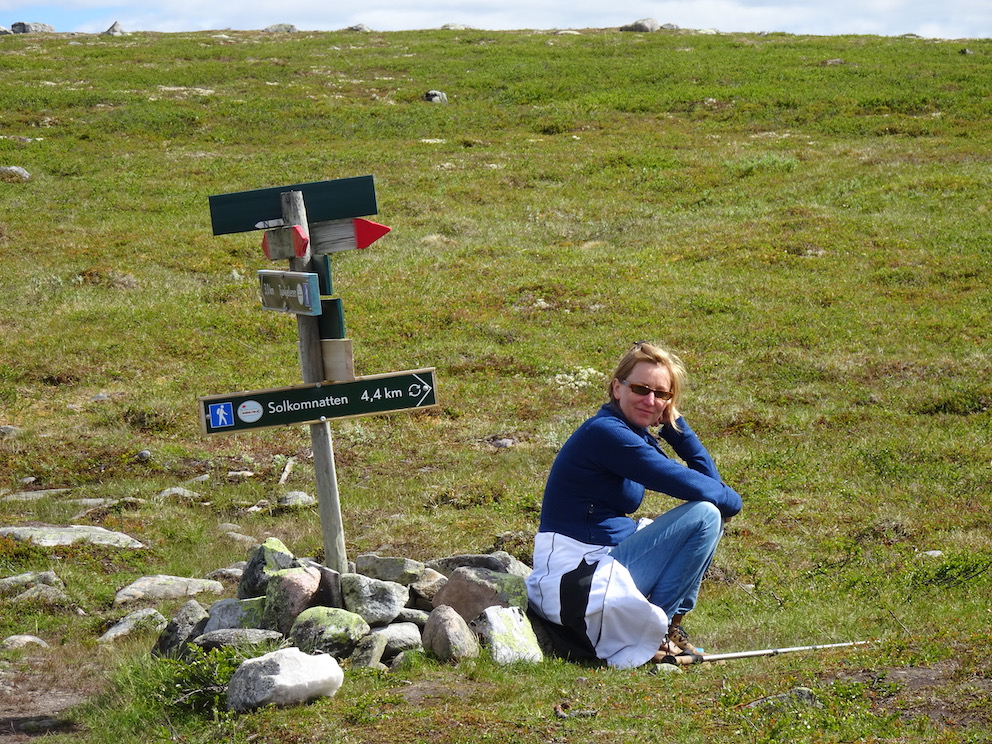
We still had a way to go and my poor daughter stretching ahead, sometimes had to wait for us old fogeys. I think she is almost at the highest point of our walk at this stage, just about to trek downhill.

Trailing azalea – Loiseleuria procumbens

Unripe Cloudberry – Rubous chamaemorus

We continued to see some amazing flora including the Trailing azalea and large patches of female cloudberries.

Seeing so much cloudberries meant of course that we were walking through areas of quite boggy ground. But I can’t tell you exactly where, because for a Norwegian, the site of ripe Cloudberries is a trade secret and never divulged to anyone!

When you see the final pictures of Norwegian mountain foraging plants in a couple of years time, you will know what lengths have been gone to to get subject matter!

Now I know what the Seven Sisters are!

We have just got back from long, tiring hike, with a lot of steep hills. We started near Cuckmere Haven, went up through the Friston Forest and then down to the Birling Gap, going along the cliff path in the Seven Sisters Park back to Cuckmere.

I generally write about something pertaining to botanical art and this is no different. But if one is able to get around – and I recognise that not everyone can do so, getting out into nature to look at the subjects it provides for us is exciting. Unfortunately not everyone does have the ability to get around and hopefully my blog can bring some of what I experience to those people.

I have spoken a lot about native flora of late and of course that is because I am involved in the ABBA team that is putting the UK on the International Botanical Art map in May 2018.

I, like many other botanical artists have always painted or drawn the plants that do something for me, no matter where those plants have originated. The topic of the Worldwide exhibition is ‘Native plants’, therefore I have looked long and hard at the pictures I have painted before and those I want to paint in the future. There are so many plants that are considered native and often they are right outside our back doors. But they can also be quite stunning.

Click on this link to see a picture of Bee Orchids at the bottom of the page, painted by Claire Ward. I had to ask her if they really were native plants – and yes they are. http://www.abba2018.wordpress.com

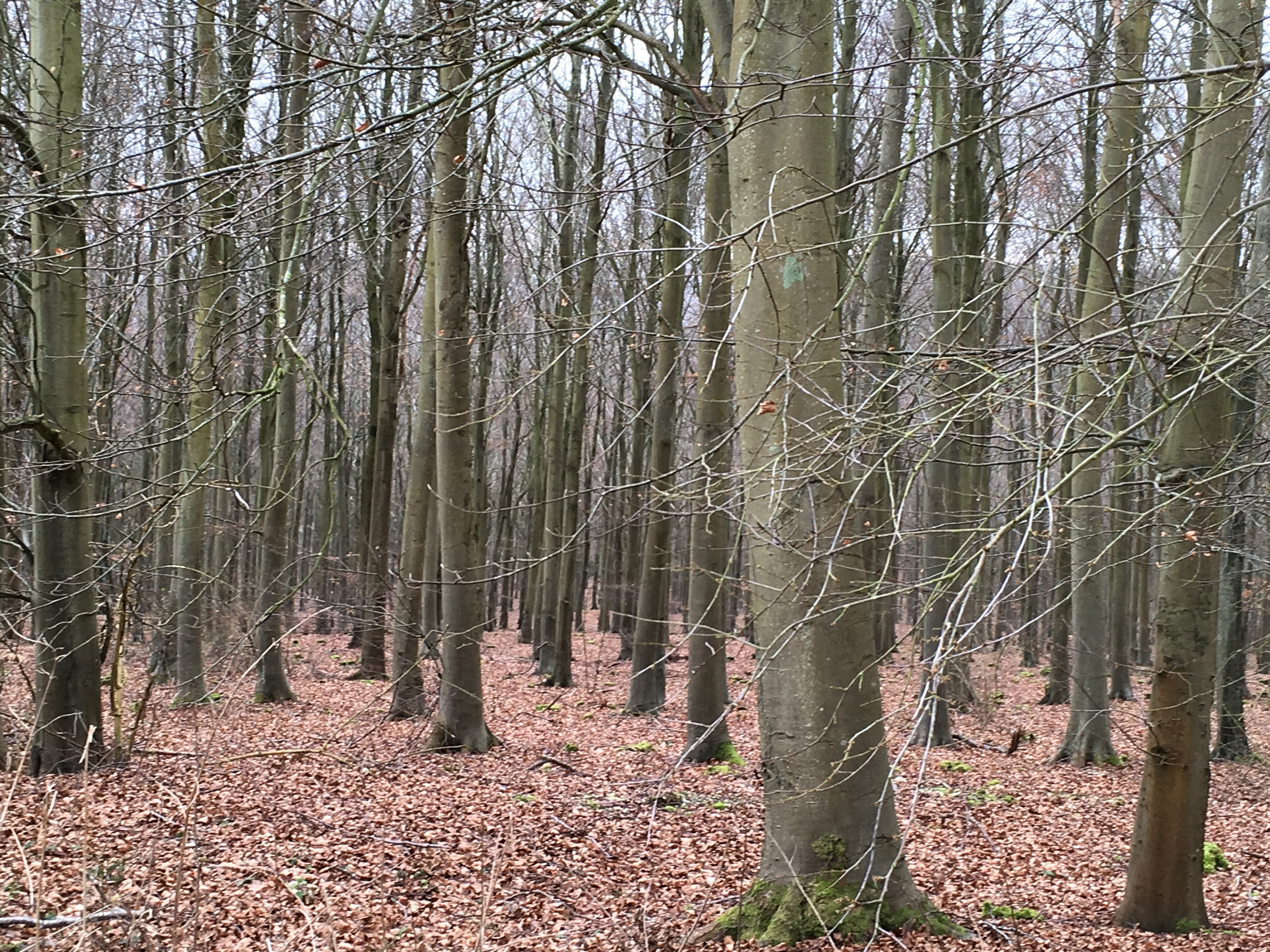
Back to the Seven Sisters and Friston woods where we saw this lovely forest of Beech trees.

img_0251

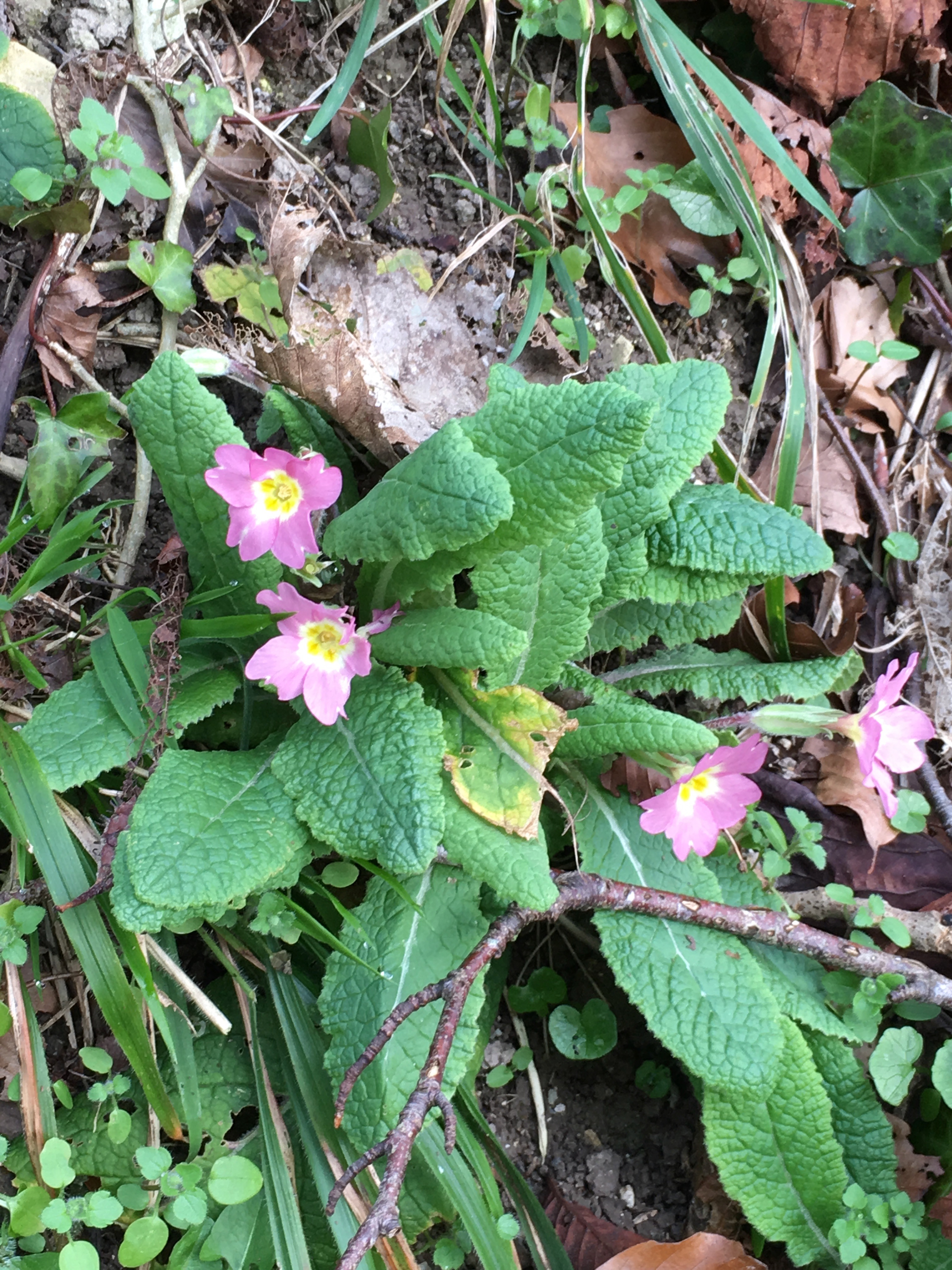
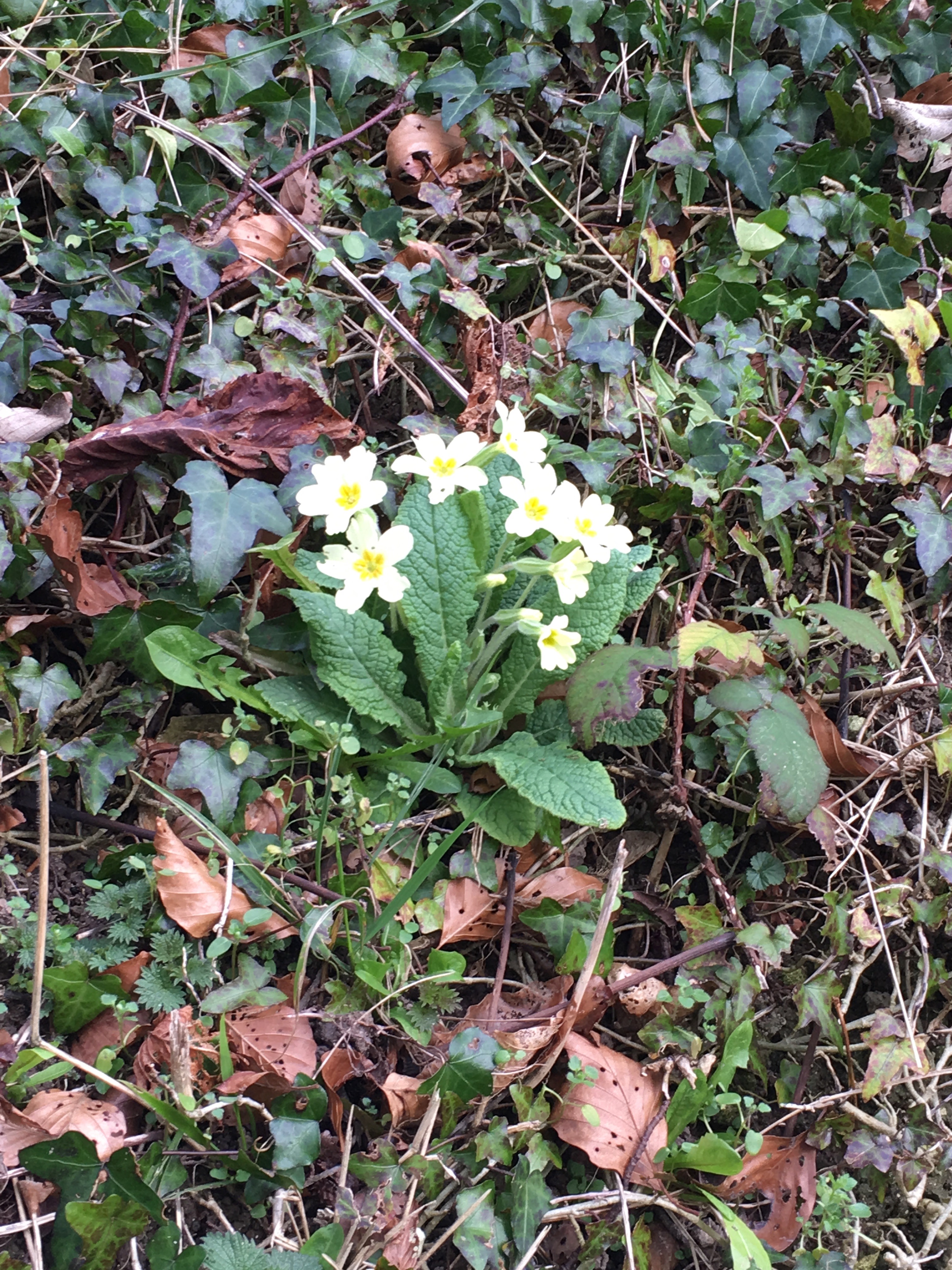
Apart from swathes of Snowdrops at the beginning of the walk, we also found clumps of Primroses –
img_0254 img_0253


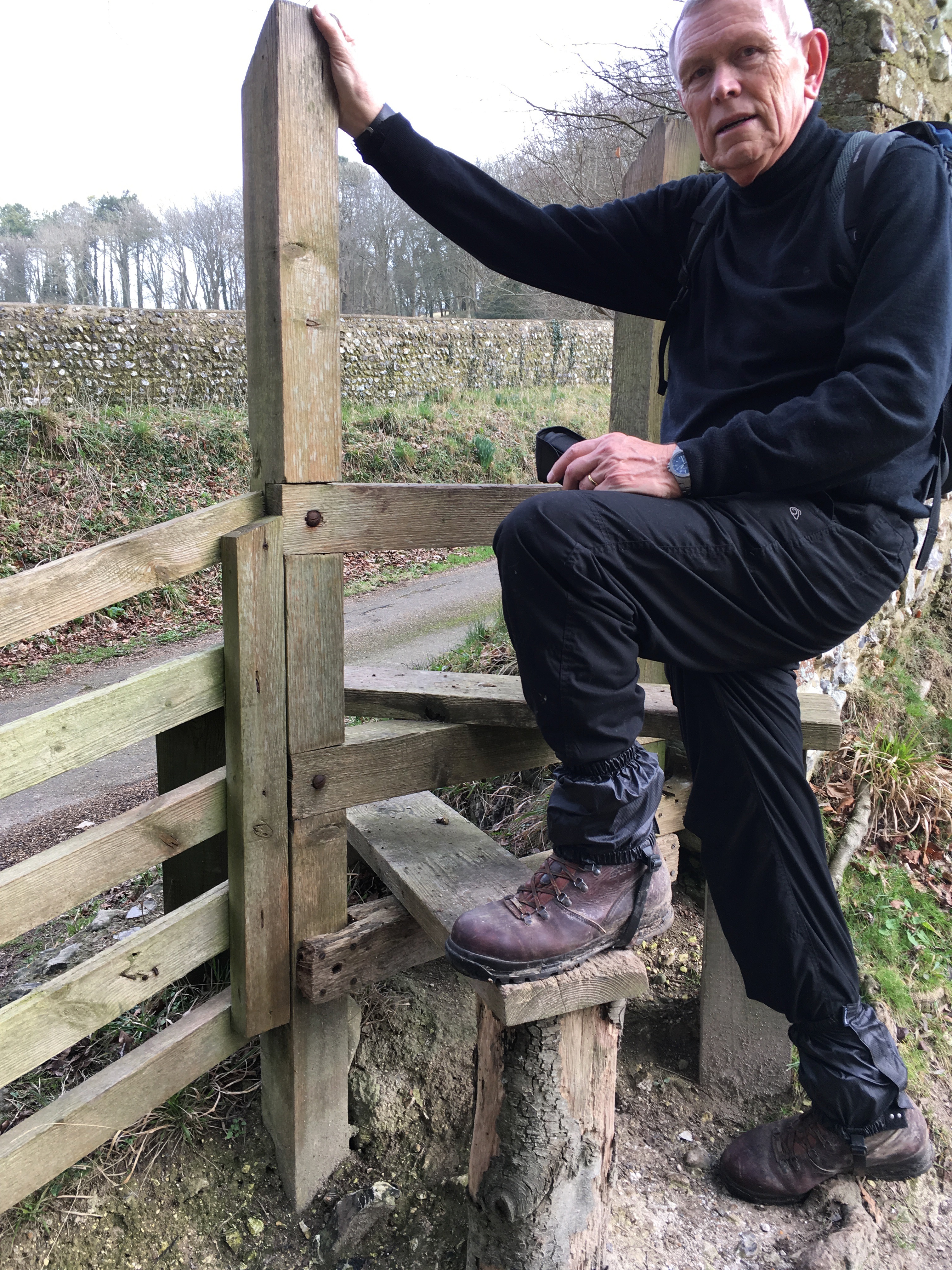
and some stiles! Not good for us old people. Bear in mind Robin is just older than me (although he hides it well), but it is me that struggles so much with these contraptions. I can walk for miles over rough terrain, up and down. But climbing a stile gets me. I think those stiles will get me before walking a long distance does. I am so glad when I see a gate that can be opened, and would happily hang over an edge to get round a post rather than over the stile that might be inbetween. Not to mention some of the stiles that are so rotten, that they are dangerous. None were today.

img_1189-1

img_0256


We had tea and cake, outside at the Birling Gap. I only mention that to show the difference in the weather over one week. Last week it was bitter cold, but today was quite pleasant if one kept walking.

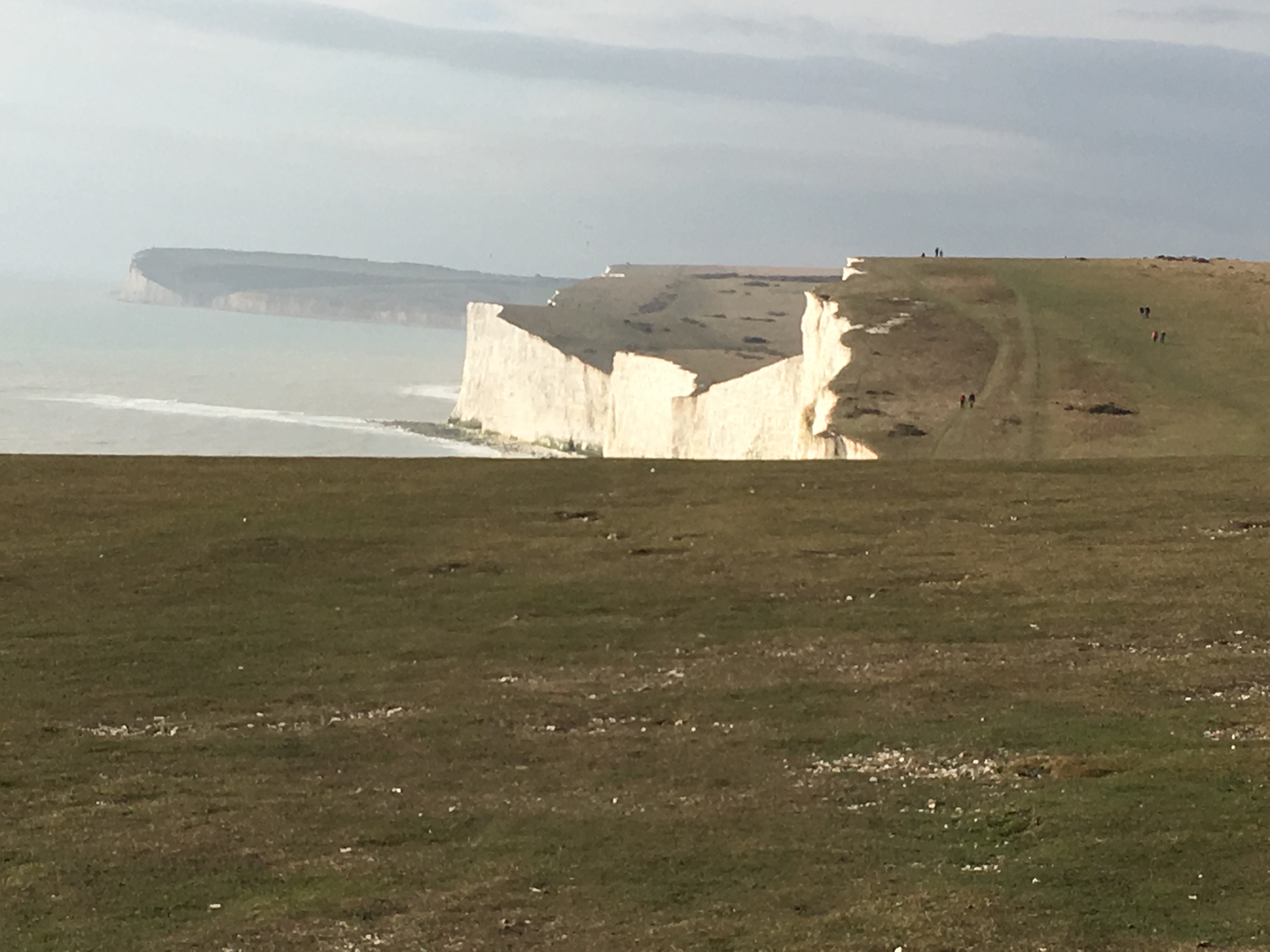
The Seven Sisters is a series of chalk cliffs that rival Beachy Head (the White cliffs of Dover). Part of the South Downs Way runs along the cliff top, which goes up and down seven times. In fact, I thought I counted eight, but by the time I got to Cuckmere Haven, I was past caring. Along this stretch there was a lot of flowering gorse. Pictures do show a little of the beauty up there.
img_0262

img_0264