Botanical art workshop: Dark Hellebores and White Snowdrops

I couldn’t believe it, but between us all we had enough dark Hellebores and Snowdrops to concentrate on the effects of doing something light against a dark background.

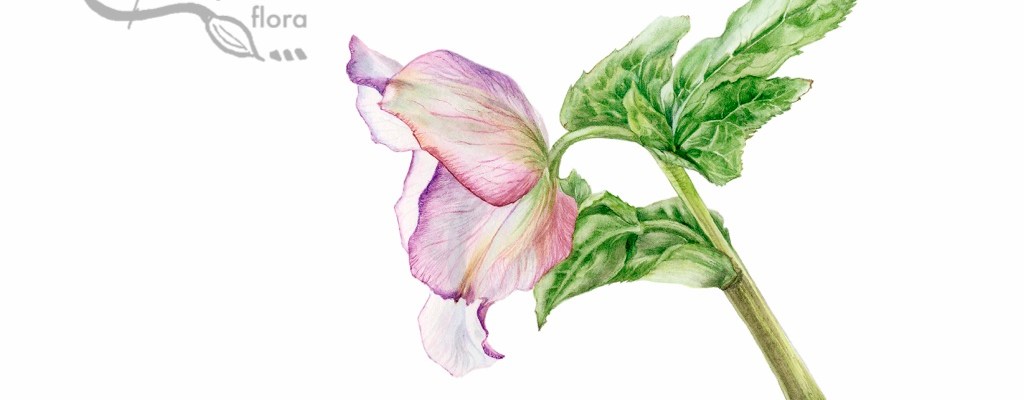
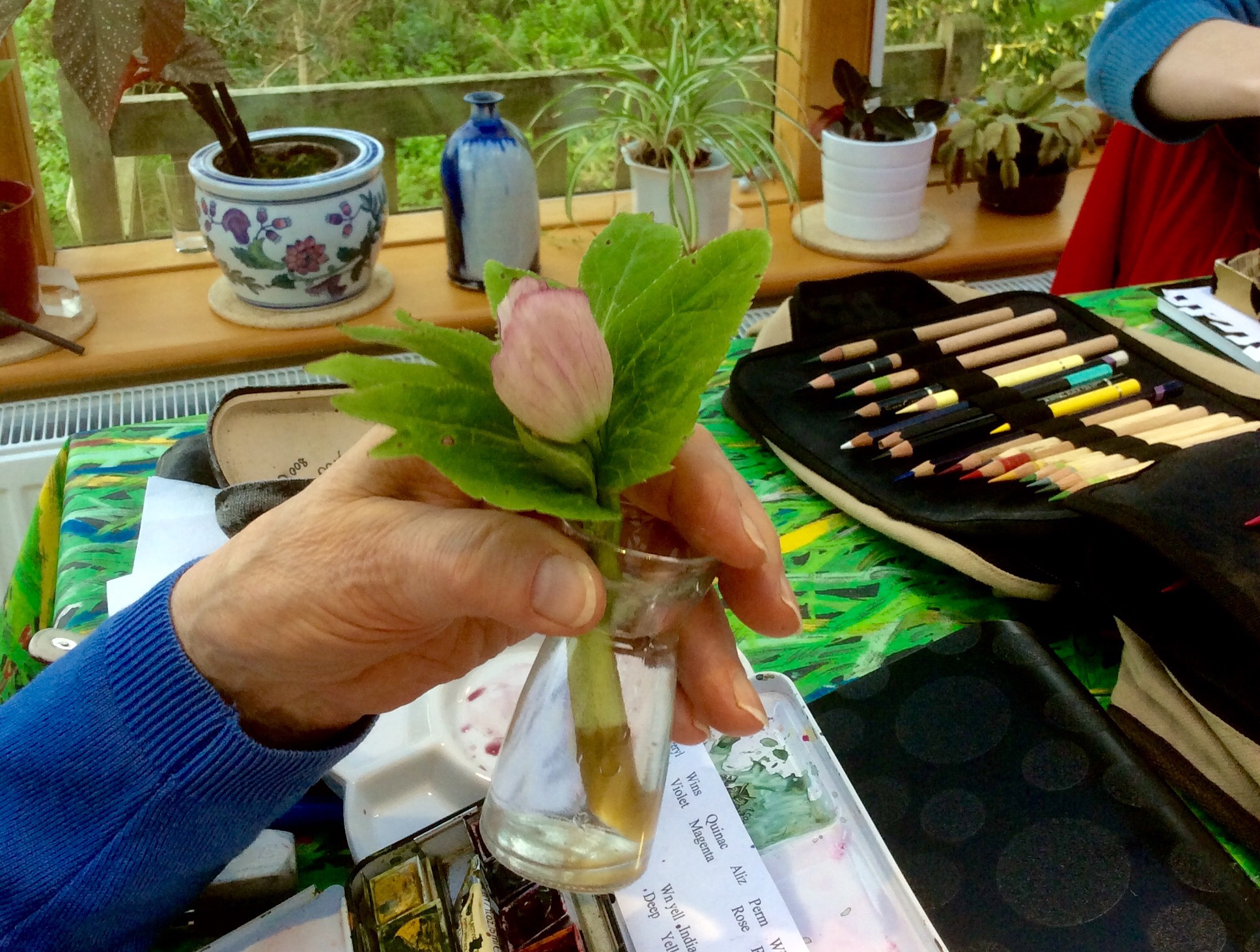
The intention of the workshop was to show how little work was really necessary on a white flower when placed against a dark background. Luckily I have some very dark Hellebores and one called ‘Slate’, that were still flowering. Additionally one of the students came with some that were a delicious ruby-red.

I was afraid that we might have to use the Leucojum that are still flowering in the garden, because the snowdrops really didn’t do too well and were almost finished – or finished off by slugs. The Leucojum normally doesn’t start flowering until after the Snowdrops, but this year started in December, before the Snowdrops. Weird!

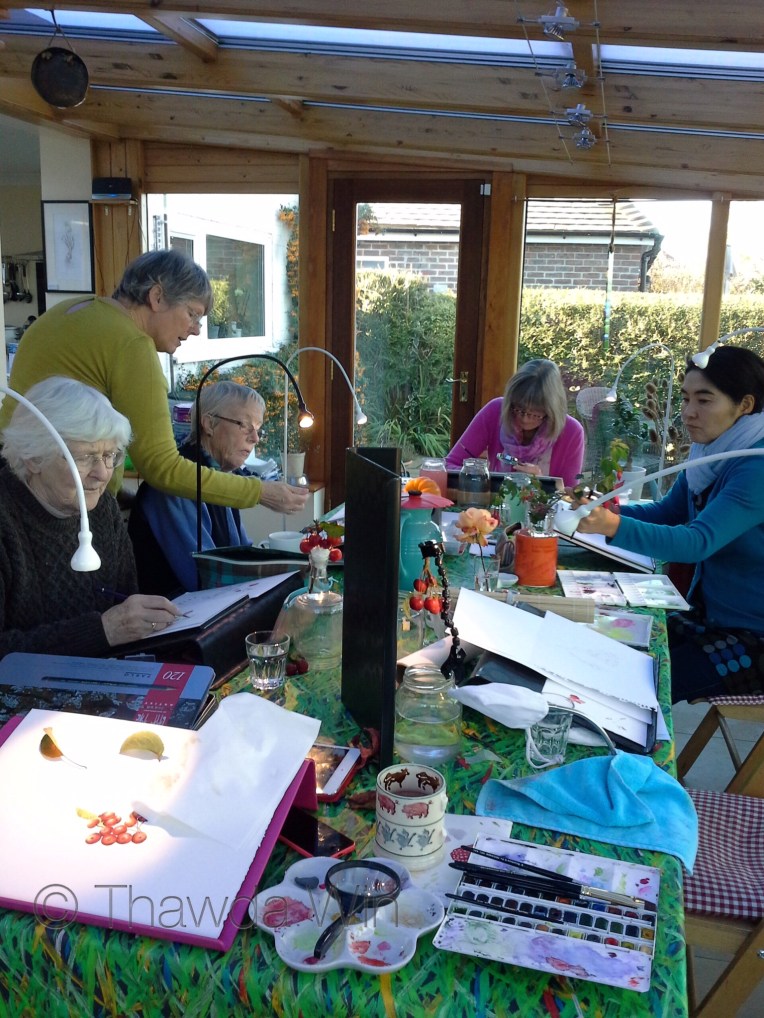
I won’t rabbit on any more but show the progression during this weekend’s workshop. As usual it was a lovely group and they worked hard.

Painting like mad with coloured pencils.


This slideshow requires JavaScript.


The next botanical art workshop in Bosham will be 18-20 March when we will be doing ‘Spring is on the way: flowers & bulbs’. It would be nice if those coming to the workshop would consider doing the flower attached to the bulb. I think that botanical pictures showing what also lies beneath the surface can be as interesting as that above the ground. There are still some places available, so do get in touch.

First botanical art picture accepted by Chelsea Physic Garden

I am so excited. I got a letter in the post today to tell me that my first picture has been accepted by the Chelsea Garden Florilegium, without needing to be adjusted in any way. On top of that, the comments from the Kew Botanists who evaluated the work, were pretty good too – that made the acceptance even more special.

I applied to and was accepted as a member of the Chelsea Physic Garden Florilegium in the middle of last year; full membership is limited making membership even more exciting. The intention of membership is to document all the plants that are in the Chelsea Physic Garden. As you can imagine, there are thousands, so it will take a long time.

For the privilege of being a full member, everyone is meant to submit a picture each year, of one of the plants in the garden. Of course, a plant needs to be chosen that is not already in the archives. As I became a member half-way through the year I was in reality excused from painting a picture until 2016, but those who know me know I like a challenge.

I painted the Fuchsia microphylla. As the name suggests the leaves are minuscule, as are the flowers, although I was surprised by the size of the fruit. Except for the pen & ink habit drawing, which is life-size, the rest of the painting is on a larger scale. Once the scale of anything is increased, the colours become much more intense. Anyone who has looked through a microscope to see the detail of grey-looking grass, will know how intense the multitude of colours is in reality. The Fuchsia microphylla was painted enlarged because it was so tiny and I wanted to convey its real beauty.

I have posted the picture before, but here it is again, now as part of the archives of the Chelsea Physic Garden.

Fuchsia microphylla from Chelsea Physic Garden, in watercolour with ink.

Adjusted yesterday’s blog and next botanical art workshop.

Yesterday’s blog was written at the end of a busy day – or at least in the middle of the night. I should have waited until I had been refreshed by a night’s sleep! My husband read it a short while ago and tried very diplomatically to tell me, that not all of it had read too well. I have therefore adjusted it to tell you that my ‘photographs’ were not good, but that the artwork was good. If you read last night’s version, please read it again.

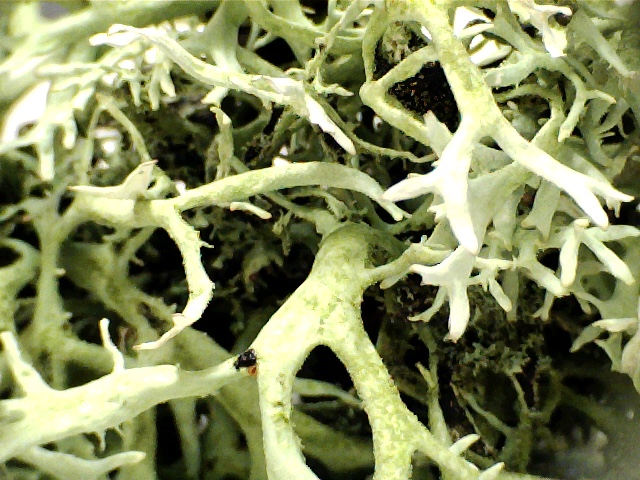
I thought I might add a couple of pictures of lichen. If anyone knows what they are exactly, please let me know.

1601311907_1 1601311908_3

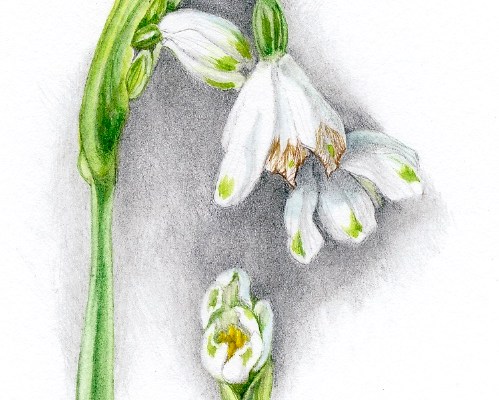
The next botanical art workshop will be Friday to Sunday, 26 – 28 February. The title is White Snowdrops against dark Hellebores. Now it is anyones guess if either will still be flowering by then. They are both flowering well in the garden now (much too early) and the Magnolia soulangeana buds are bursting! I did a very quick tiny picture a couple of days ago, of Leucojum aestivum – commonly known as ‘Summer snowflake’!!!!There are loads out at the moment.

'Summer snowflake' - Leucojum aestivum. Watercolour over graphite.
‘Summer snowflake’ – Leucojum aestivum. Watercolour over graphite.

Whether the Hellebores and Snowdrops are flowering or not, there will still be loads to paint. Or why don’t you grab the opportunity to work on something in which you know you can improve? There are a few places available, so get in touch soon.

Botanical art workshop: Textures – bark and moss.

In reality the workshop became textures , bark, lichen and leaves!

In the end, I felt it had been a very unusual workshop because four of the five students were coloured pencil artists and only one was a watercolour artist. Three of the CP students wanted to do graphite only instead of colour, to improve their tonal value skills as well as the use of graphite. The watercolour student wanted to improve ‘green’ skills. They were definitely students who knew what they wanted to do! Their intention was to improve various aspects of their skills in botanical art and it was such a pleasure – and honour to help them.

On the first day we focused a lot on preparation. This time we didn’t actually talk very much about composition, but we went through the first stages of drawing and making a rough tonal value reference drawing.

Lichen
Lichen
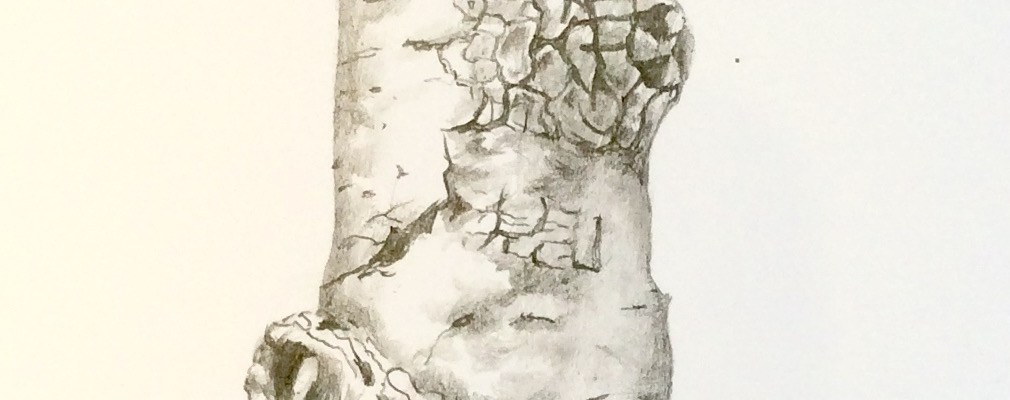
Broken piece of Birch
Drawing wood and lichen
Drawing piece of wood found on the beach.


As well as the different drawing techniques, we also looked at light and shade forming a solid object, and mixing greens. Unfortunately not all of the photographs turned out too well, but I think you will appreciate some of the results anyway.

Dried oak leaves
Dried oak leaves
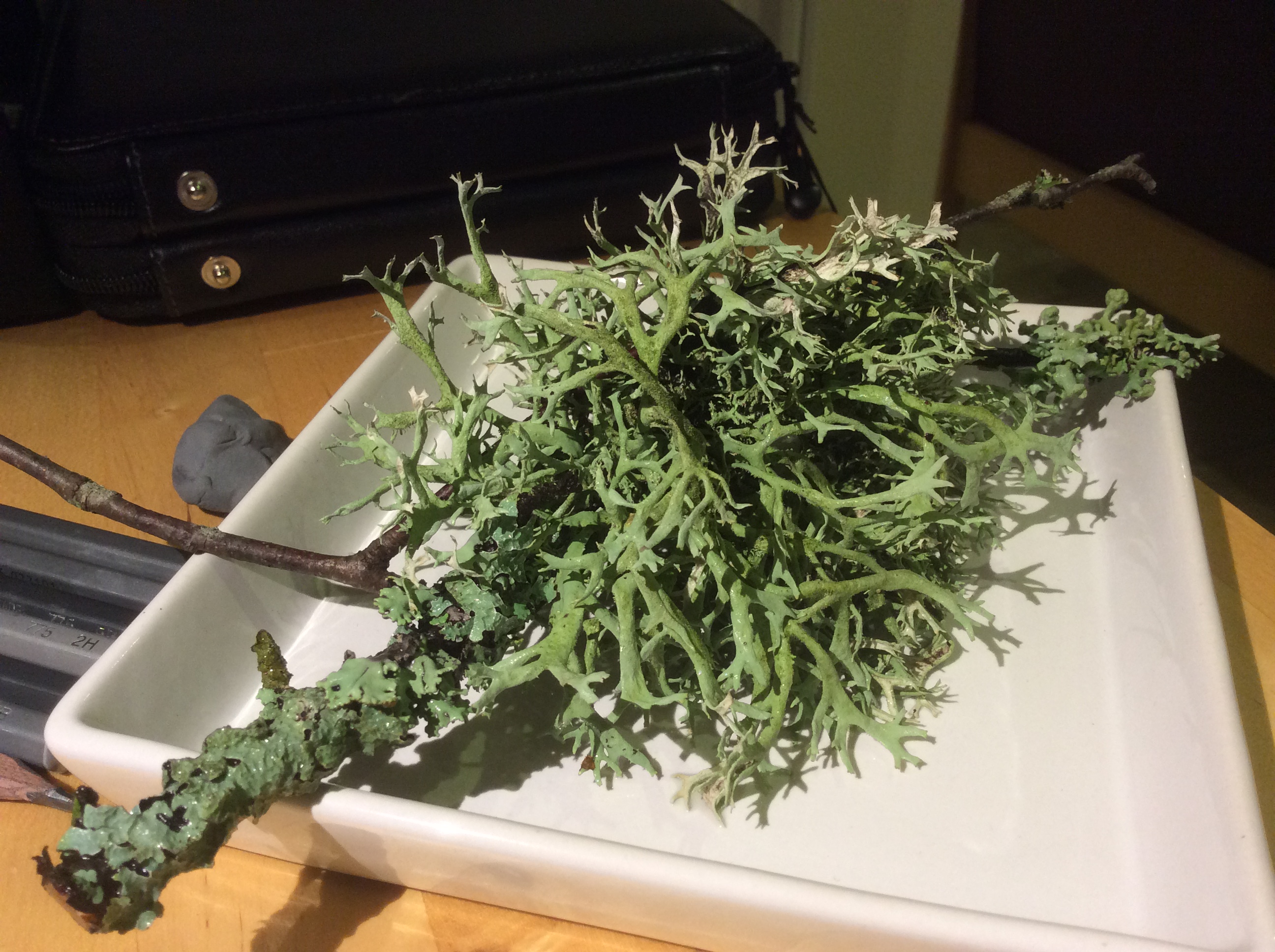
The piece if wood with lichen


Of course the various types of lichen we had collected between us was worthy of more detailed investigation, so out came all the magnifying glasses and lenses that we could muster. The specimens were hugely intriguing and the colours definitely became accentuated when you see them in detail.

I was particularly pleased with the results and I am just sorry that the photograph of the CP picture did not do it justice. I’m afraid the light was failing when I took the picture, but the tiny detail of the lichen was actually very well done – and exhausting to do. It will obviously take time to finish that piece even though it is small. I hope that the artist will not lose patience with it and complete it at some point so that it can be shown again on the blog. I think the other photographs of the work have turned out reasonably well.

image


image

image
image

Change of Date for a Botanical art workshop

I’m afraid I still have no new painting at the moment as I am writing, writing, writing – with of course a load of research in the middle. There is a lot going into this new online course I am doing, but I am really happy that several people have agreed to allow me to show their work as well.

I feel it is so important to let people know that there are so many styles of botanical art and so many ways of getting to where you want to go with it. Other artists have been really helpful in this and some have even offered to write bits about what they think is important in the style of work they do, to go into the course.

Anyway, Robin and I were checking dates in our diaries the other day and as I want to go to the ASBA conference in Pittsburgh this year, I have had to make a change to one of the workshops in October. This is the link: Botanical art workshops 2016

image

A new Youtube video

Happy New Year!

What have  I been doing of late? You probably think that I haven’t been doing anything at all – but I have been working on my new online botanical art course. Poor Robin, he hardly sees me these days!

For those of you living in the UK you know that the weather has been very mild – and very wet. I live on the south coast and although we haven’t suffered the same floods as further north, it has been wet. All the plants in the garden are in turmoil. Everything is sodden and the cats leave muddy paw prints everywhere – they get the blame as they can’t answer back! A lot of the daffodils have finished flowering and if we get some cold weather now, goodness knows what will happen to those in bud.

IMG_3249We spent Christmas in Norway and had a really super time with my daughter (the hostess) and my son. We even got some lovely snow there – which was refreshing. we enjoyed some very special Norwegian food such as Lutefisk, had a Norwegian Christmas Eve supper of delicious cod and an English Christmas Day meal of Roast pork with all the trimmings. My children are fantastic cooks; they obviously felt they had to learn as I am such a bad cook.
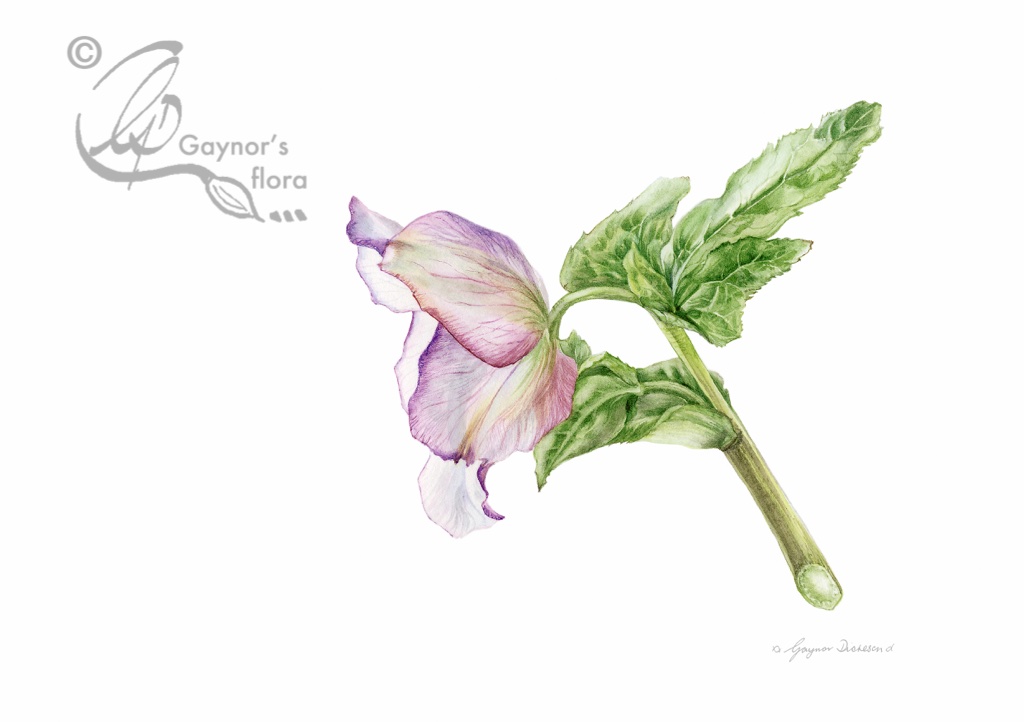
We came back home before the new year to see the Hellebores, Daffodils and Snowdrops in full flower! Starting on the watercolour module of my online botanical art course, I therefore had plenty of subjects to paint from. I chose the Hellebore after picking off a live caterpillar! Several of the flowers had their stamens chewed right off. I’ve pulled this picture off the video, so it isn’t too clear. I wish I had taken a picture of the caterpillar too.

Hellebore chewed
From painting the Hellebore I have done a whole series of videos for the course right from : Stretching light to medium weight watercolour paper (I hope you find it useful), sketch to line drawing, colour matching, tracing over to art paper, tonal value reference study to actually painting the picture. All of the videos are on Youtube, but only the one about stretching paper is available to the public. The rest will only be available to students doing the course, although I am considering doing a very fast one showing the painting. I still have a load of writing to do yet, so I will see how it goes.

I may not be keeping up too well with my own artwork, but I am keeping my hand in when doing the videos.

The December Hellebore


Hellebores, snowdrops and daffodils in December!

I haven’t quite finished sending out all my Christmas wishes yet, but this is intriguing. 

I had my last botanical weekly art class of the year today. Everyone was sort of winding down and when I went down to the shed with my eye half on all of the things I still haven’t sorted in the garden, I saw all of the above flowers, plus a lot more. One of my students was looking for something to do on this last day so she chose………

 If you can’t quite make out what she is doing it is this:

   But she could have chosen any of the above, or even Primroses, daisies, geraniums, periwinkle or even snapdragons. What a strange year! I just hope that there are some Hellebores and Snowdrops left for the workshop in February.

New botanical art YouTube video – Pen & ink technique

I am developing an online botanical art course using written guidelines, links to good support subjects, diagrams, photos and videos showing techniques. I will also discuss the materials you might wish to use. But have a look on this website under Tuition and you can read a little more about it.

In the process of writing the course I have been filming work as I do it and making videos from the material. The course will include several detailed videos with accompanying written information to make sure that the techniques are understood.

The videos posted already have been done ‘quick time’ so that you can see the effect of the process as the subject is developed. But in the course the videos are broken down into smaller bites so that each technique can be clearly seen. Although the ‘quick time’ videos are available on YouTube,  you will need to sign up for the course to see the full material.

Christmas will soon be upon us and no doubt there will be less time to do painting, drawing or writing for a couple of weeks. But I think you may hear from me at least one ore time before Christmas.

Before you go, do have a look at the latest YouTube video on the pen and ink technique that I use. How to draw a Himalayan seedpod with pen / ink

DCIM106GOPROGOPR1245.

A non-botanical watercolour

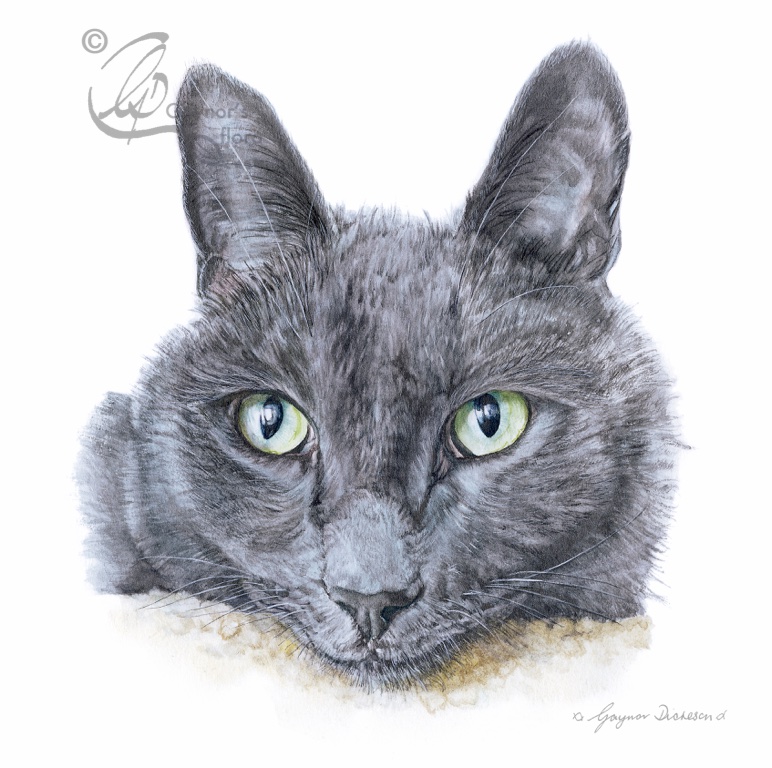
I have finished the ‘quick’ watercolour for my daughter – her beautiful Russian Blue cat named ‘Tigger’. I think the original picture is better than this one, although I have spent all day on Photoshop adjusting colours and making one or two cards that will be in the post tomorrow!

In the meantime, please enjoy the scaled down version.

Tigger

Now, having used my brushes a little, I am returning to writing the online botanical art course I am in the process of developing. But whilst on the subject of botanical art tuition, I have vacancies on my workshop 29-30 January; Textures: Bark and Moss. Do get in touch, all the details and booking form are on the Workshops page, under Tuition.